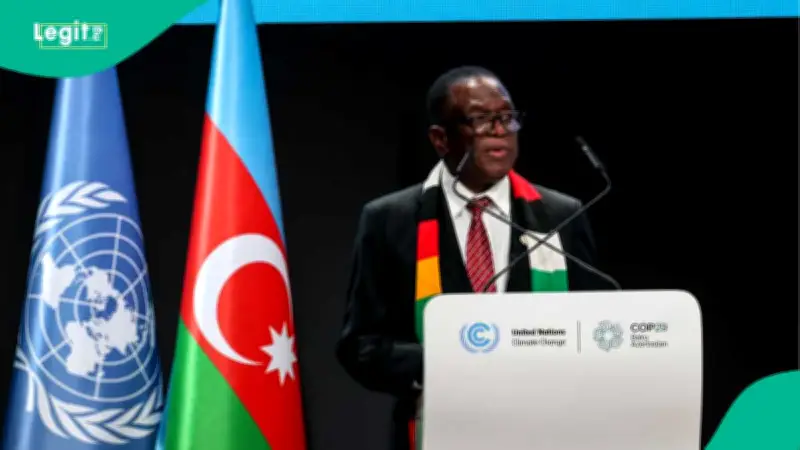
Zimbabwe's parliament has approved a controversial bill that would end direct presidential elections, sparking fierce debate over the future of democracy in the country. Supporters say the move will ensure policy continuity, while critics warn it could entrench ZANU-PF's dominance and weaken accountability. The proposal now heads to the Senate, where it is expected to pass despite growing public concern and allegations of intimidation during consultations.
Constitutional Amendment Bill No 3
On Thursday, June 3, 2026, the National Assembly approved Constitutional Amendment Bill No 3 with 216 votes in favour and 42 against. The bill now heads to the Senate, where it is expected to secure the two-thirds majority required for constitutional changes. According to Al Jazeera, the amendment seeks to alter Zimbabwe's 2013 Constitution by allowing the president to be elected by a joint sitting of the Senate and National Assembly, rather than through a direct vote by citizens.
Government Defence of the Bill
Justice Minister Ziyambi Ziyambi, who sponsored the bill, dismissed claims that it undermines democracy. He told lawmakers: "It is not an abandonment of our constitutional order in any way, shape or form but a continuation of it." Ziyambi insisted the bill does not extend presidential terms, postpone elections, or concentrate power in the president's hands. He argued the changes are intended to refine constitutional provisions for greater functionality and national progress.
Opposition Concerns
Critics, however, believe the amendment could strengthen President Emmerson Mnangagwa's grip on power and pave the way for him to remain in office beyond 2028, when his current term is set to end. Barnabas Gura, a 38-year-old resident of Harare, expressed frustration: "Only 210 members of parliament vote on behalf of a population of 15 million. It is preposterous." Human rights activist Pride Mkono warned that the bill could push Zimbabwe towards a one-party state dominated by ZANU-PF. He said: "It means a continuation of economic and social services collapse and mass impoverishment of the masses."
Allegations of Violence and Intimidation
Although a parliamentary committee reported that 99.4 percent of submissions during public consultations supported the bill, activists say the process was marred by intimidation. Suspected state security agents allegedly abducted and tortured opponents. In Chiredzi, activist Gilbert Mutebuki was assaulted by suspected ZANU-PF youths after attempting to speak against the bill. Citizens like Gura reported being denied opportunities to voice opposition during hearings. Rawlings Magede of Heal Zimbabwe Trust disputed the committee's findings, arguing that many Zimbabweans do not support the amendment.
ZANU-PF's Parliamentary Dominance
ZANU-PF controls both the National Assembly and Senate, strengthened further after opposition MPs were recalled in 2023. Critics say opposition lawmakers are politically vulnerable, making it difficult to resist ruling party pressure. Controversial businessman Wicknell Chivayo has also faced accusations of influencing lawmakers with gifts of cash and vehicles. Although he withdrew a $3.6m offer to MPs following public criticism, he later gave vehicles and money to legislators who supported the bill. Tatenda Chikumbu, a resident of Harare's Kambuzuma suburb, questioned the integrity of lawmakers: "If they can be bribed and vote for the bill, how can I trust them to vote for the president once the amendment is done?"
Courts as the Last Line of Defence
Opponents are now turning to the courts, with several legal challenges already filed. Activist Youngerson Matete has petitioned the High Court to stop the bill's enactment without a referendum. However, many Zimbabweans have lost faith in the judiciary, which critics accuse of lacking independence. The Constitutional Court has already dismissed some cases on technical grounds.
What's Next for Zimbabwe?
With the bill moving to the Senate, Zimbabwe faces a pivotal moment. Supporters believe the amendment will stabilise governance and allow Mnangagwa to complete his development agenda. Opponents argue it strips citizens of accountability and transparency, weakening democracy. As Gura put it: "This is a direct attack on accountability and transparency."