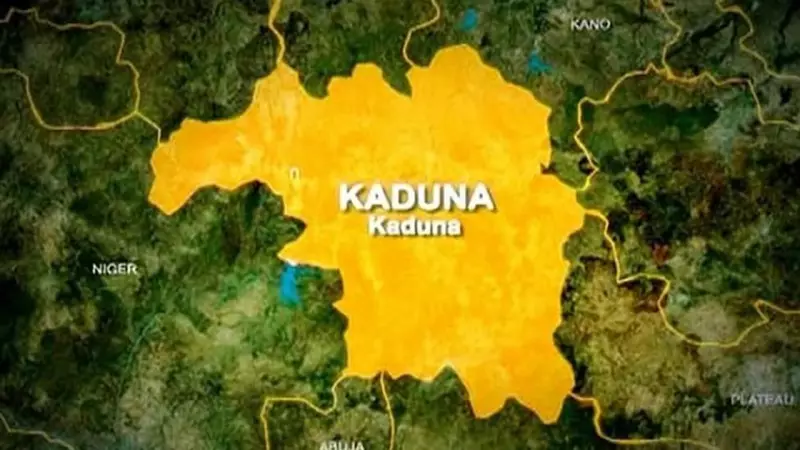
Governors from Nigeria's nineteen northern states have convened a crucial meeting with traditional rulers in Kaduna, issuing a powerful and unified call for the immediate establishment of state police to combat the severe security crisis plaguing the region and the nation.
A Unified Front Against a Common Threat
The emergency gathering, held on Monday, saw political and traditional leaders align on the urgent need for decisive localised solutions to the escalating violence. The Chairman of the Northern Governors Forum (NGF) and Governor of Gombe State, Muhammadu Inuwa Yahaya, set a sober tone, declaring that the security situation has transformed from a local issue into a national and existential threat that endangers the future of the entire north.
In his opening address, Governor Yahaya commended President Bola Tinubu and the international community for their ongoing efforts to defeat banditry and terrorism. He specifically praised the Federal Government for its role in securing the release of some abducted children. "We remain resolute in our support of ongoing efforts to secure the safe return of those still held in captivity," he affirmed.
Education Under Siege and the Call for Collective Action
The forum highlighted the deliberate targeting of schools and farms by terrorists, describing it as a strategic attack on the region's future and socioeconomic development. "An attack on education is a direct assault on our future," Yahaya stated, urging collaboration with all security stakeholders to protect educational institutions and ensure a safe environment for learning and livelihood.
He delivered a stark warning against divisive rhetoric, stressing that the crisis spares no one—affecting Muslims and Christians, the rich and the poor alike. "Now is not the time for politics; it is the time for concerted action to ensure the very survival of the north and Nigeria at large," he declared, adding that without peace, there would be no politics or country to govern.
The governor called for unwavering support for President Tinubu's security measures while emphasising that any international cooperation must respect Nigeria's sovereignty and territorial integrity.
Root Causes and the Path Forward: State Police and Development
Moving beyond immediate security concerns, the forum acknowledged the deep-seated roots of the crisis. Leaders took responsibility for underlying issues like underdevelopment, illiteracy, lack of opportunities, and the impacts of climate change, which fuel conflicts over dwindling resources.
To chart a path to stability, the forum placed the Almajiri and out-of-school children phenomenon at the top of its agenda, describing it as an unacceptable stain on the region's conscience. They pledged to move from rhetoric to action in getting children into classrooms.
The most definitive policy stance emerged on security architecture. "Our challenges are local, and their solutions, to a large extent, lie in this hall," Yahaya asserted. The forum unanimously reaffirmed its strong support for the swift implementation of state policing reform, identifying it as a critical and effective mechanism to tackle the nation's security challenges.
He outlined roles for all segments of society: traditional rulers as stabilisers, religious leaders as messengers of peace, and political leaders as agents of development who must avoid exploiting ethnic and religious divisions. Security agencies were urged to maintain proactive vigilance, while the judiciary was called upon to ensure swift administration of justice.
Echoing the chairman's sentiments, Kaduna State Governor, Senator Uba Sani, specifically advocated for the creation of state police to fight crimes and banditry. The Sultan of Sokoto, Alhaji Muhammadu Abubakar Said III, urged both governors and traditional leaders to demonstrate serious commitment in tackling the security challenges that have destabilised the region.
Concluding with a vision for legacy, Governor Yahaya reminded his colleagues that future generations would judge them not by projects commissioned, but by whether they bequeath a peaceful, secure, and prosperous northern Nigeria that citizens can truly call home.