
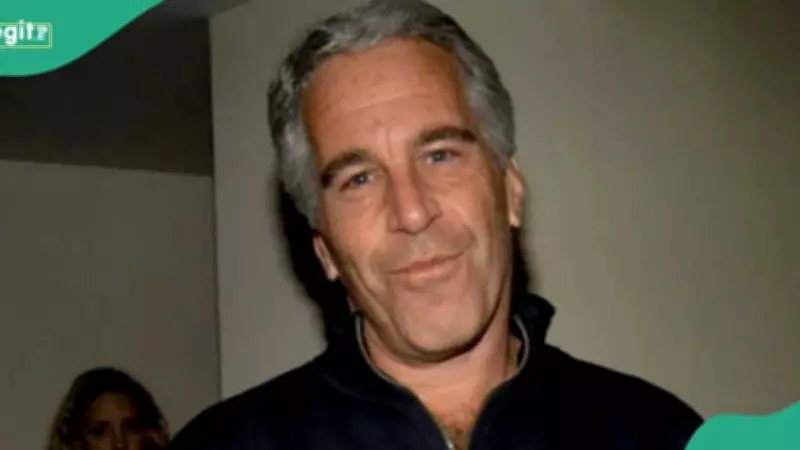
FBI Files Uncover Jeffrey Epstein's Nigerian Crude Oil Business Discussions
Newly released documents from the Federal Bureau of Investigation have revealed that convicted sex offender Jeffrey Epstein expressed significant interest in trading Nigeria's crude oil, according to information made public under the Epstein Files Transparency Act. The documents, which form part of a substantial tranche of material released by US authorities, show email correspondence dating back to September 2010 that discusses potentially lucrative oil brokering opportunities involving Nigerian petroleum resources.
Email Exchange Reveals Oil Deal Discussions
The FBI documents contain an email exchange between Jeffrey Epstein and a man identified as David Stern dated 20 September 2010. In the correspondence, Stern informed Epstein about what he described as a significant profit-making opportunity involving the brokering or flipping of Nigeria's crude oil. Stern referenced an individual identified only as "PA" who had suggested meeting with people who had both access to purchase Nigerian oil and the ability to resell it to markets like China.
"PA has asked me to see a guy who has access to Nigerian oil, and when selling it to China (or somebody else), F. can make around $6 million," Stern wrote in the email, highlighting the substantial financial potential of the proposed arrangement.
Skepticism and Concerns About Potential Fraud
Despite the apparent profit potential, the email exchange reveals notable skepticism about the legitimacy of the proposed Nigerian oil deal. Stern expressed reservations in his communication with Epstein, writing "This seems very fishy (as my boss JEE would say)," indicating concerns about potential fraudulent aspects of the arrangement. The documents suggest Epstein shared these concerns about being defrauded in what would have been a multi-million dollar crude oil transaction involving Nigerian petroleum resources.
Nigeria's Repeated Appearance in Epstein Documents
The email discussion about Nigerian crude oil represents just one of multiple instances where Nigeria appears in the newly released Epstein documents. According to the FBI files, several exchanges referenced business and investment opportunities in Nigeria, as well as discussions about potential visits to the African nation. The documents provide insight into how international figures like Epstein viewed Nigeria primarily through the lens of economic opportunity, particularly in the lucrative oil and gas sector that forms the backbone of Nigeria's economy.
Broader Context of Epstein Document Release
The revelation about Epstein's interest in Nigerian oil comes as part of a larger document release that has regained global attention following the U.S. Department of Justice's decision to make millions of pages of material public. Epstein, who was convicted of sex offenses, reportedly died by suicide in prison in 2019 while awaiting federal trial. The document release has sparked renewed interest in Epstein's extensive network of business and personal connections across multiple continents.
The Nigerian oil discussion emerges alongside other revelations in the documents, including references to prominent political figures. While the documents mention former U.S. President Donald Trump in Epstein's private correspondence, no accusations of wrongdoing have been made against Trump in relation to these references. Similarly, the documents have prompted testimony agreements from former President Bill Clinton and his wife Hillary, though they have denied any knowledge of Epstein's criminal activities.
The FBI documents provide a window into how international business figures viewed Nigeria's oil sector as a potential source of significant profit, while also highlighting the skepticism and concerns about fraud that often accompany discussions of African resource deals among foreign investors.




