In a decisive move to confront the escalating security crisis, governors from Nigeria's 19 northern states and leading traditional rulers have jointly declared their unwavering support for the immediate creation of state police.
A Unified Front for Decentralized Policing
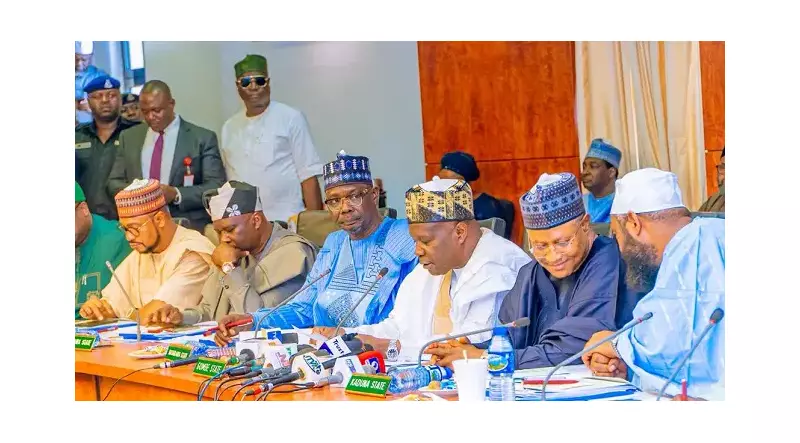
The leaders formalized their position in a communiqué issued on Monday, December 1, following a critical summit held in Kaduna. They argued that the nation's centralized police system is structurally incapable of protecting a population projected to exceed 237 million by 2025. The meeting, chaired by Gombe State Governor Inuwa Yahaya and hosted by Kaduna State Governor Uba Sani, focused on persistent threats including banditry, mass kidnappings, and violent clashes between farmers and herders.
In his opening address, Governor Uba Sani stated that establishing state police is now unavoidable. He highlighted the severe manpower shortage, noting that the national police force of roughly 371,800 officers creates a police-to-citizen ratio far below the United Nations recommended standard of one officer per 400 people. This deficit, he explained, leaves vast rural communities and ungoverned spaces vulnerable to criminal elements.
Addressing Critics and Root Causes
Governor Sani directly addressed critics who accuse northern leaders of complacency. "The public conversation about insecurity in the north has become more complicated," he said. "A few voices driven by political motives have worked to create the impression that northern governors have grown complacent; nothing could be further from the truth." He emphasized that the governors have been working collectively behind the scenes.
Governor Inuwa Yahaya reinforced that the security challenges affect all northern residents indiscriminately. While commending President Bola Tinubu for his efforts to stabilize the country, Yahaya stressed that state-level policing is essential for sustaining long-term peace and progress.
The summit concluded that insecurity is deeply intertwined with systemic issues like:
- Widespread poverty and illiteracy
- Climate change pressures
- Decades of regional underdevelopment
The leaders maintained that tackling these root causes, alongside reforming policing structures, is critical for achieving lasting security.
A Call for Action and Collaboration
The meeting ended with a strengthened commitment between the political and traditional institutions to enhance collaboration and deepen engagements at the community level. They issued a direct appeal to the Federal Government to expedite the constitutional and legislative processes required to establish state police nationwide.
The northern leaders asserted that the region, given its unique security landscape, urgently requires a more adaptive and locally responsive policing model to safeguard its people and restore stability.