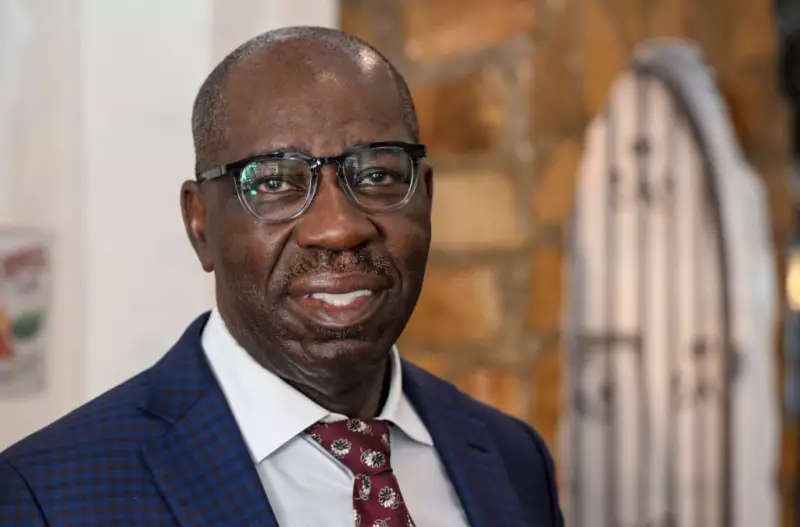
The political atmosphere in Edo State has intensified as the immediate past governor, Godwin Obaseki, has formally declined an invitation to appear before a state legislative committee. The committee is probing the funding and ownership of two major projects: the Museum of West African Arts (MOWAA) and the Radisson Blu Hotel.
Why the Assembly Launched the Probe
The investigation was initiated by the Edo State House of Assembly following a direct request from the current state governor, Monday Okpebholo. Governor Okpebholo asked the lawmakers to look into the financial details surrounding the two projects. The specific sums under scrutiny are a N3.8 billion state investment in MOWAA and a colossal N28 billion investment in the Radisson Blu Hotel. The combined total of N31.8 billion represents a significant expenditure of public funds, prompting the governor's call for transparency.
Obaseki's Firm Rejection and Legal Argument
Obaseki was scheduled to appear before the Ad hoc Committee on Thursday, December 4, 2025. The invitation, delivered via a letter signed by the committee's Secretary, BekisuOshone Wilson, stated his attendance was required for the investigation. However, the former governor, speaking through his media adviser, Crusoe Osagie, has firmly rejected the summons.
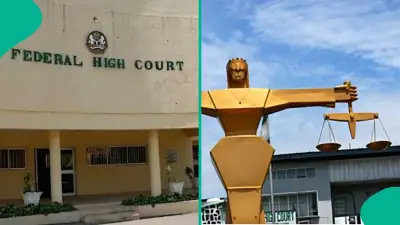
Obaseki's camp described the Assembly's move as both "offensive and laughable." The core of his refusal hinges on a legal technicality. He argued that the subject matter is already before a court of law, and therefore, the legislative arm lacks the primary jurisdiction to summon him on the same issue. His statement advised the Edo Assembly to "learn how the law works," asserting that he cannot be made to answer separately on a matter already sub judice.
MOWAA Management Echoes Legal Stance
Obaseki is not alone in his defiance. The management of the Museum of West African Arts (MOWAA) has also refused to honour the Assembly committee's invitation. Their legal counsel, Olayiwola Afolabi, presented a similar argument, drawing a clear line between the powers of the legislature and the judiciary.
Afolabi clarified that while the House of Assembly committee can conduct its probe and make recommendations, the final and binding decision on the issues rests with the court. This unified front from Obaseki and the MOWAA management sets the stage for a potential constitutional clash between the state's executive legacy, its legislature, and the judiciary.
The standoff raises critical questions about accountability for major state investments and the limits of legislative oversight when judicial processes are already underway. The Edo State House of Assembly must now decide its next move in the face of this direct challenge to its investigative authority.