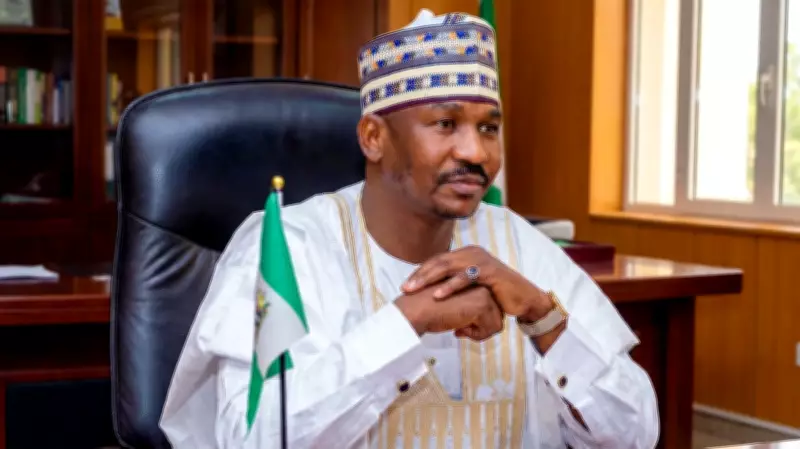
Governor Ahmed Aliyu Elevates Sokoto Ramadan Iftar into a Governance Forum
In many Muslim communities, the breaking of fast during Ramadan is a sacred moment of spiritual reflection and communal bonding, typically centered around family and neighbors after a day of devotion. However, in Sokoto State, this cherished tradition has been reimagined under the leadership of Governor Ahmed Aliyu, transforming the Iftar into a multifaceted platform for engagement, reflection, and communication between the government and its citizens.
Throughout the recently concluded holy month, Governor Aliyu orchestrated a series of Iftar gatherings that extended far beyond religious observance. These events served as a bridge connecting the administration with the people, facilitating discussions on governance, development, and collective responsibility in building a greater Sokoto State.
Inclusive Engagement Across Society
Governor Aliyu opened the doors of the Presidential Lodge to virtually every segment of Sokoto society during the Ramadan breaking of fast. Participants included commissioners, senior government officials, legislators, judiciary members, traders, youths, women, civil servants, local government representatives, and resident communities. While each gathering maintained the spiritual essence of Ramadan, conversations were tailored to address the specific expectations and responsibilities of each group in the state's development project.
This approach exemplifies transformational leadership, as defined by scholars like James MacGregor Burns and Bernard M. Bass. By leveraging vision and inspiration, Governor Aliyu elevated a routine religious activity into an opportunity for collective progress, creating an atmosphere where governance could be discussed openly and citizens were reminded of their shared stake in the state's future.
Strategic Messages to Key Stakeholders
For members of the State Executive Council, permanent secretaries, and other senior officials, the governor emphasized responsibility and service delivery. He highlighted his administration's commitment to youth empowerment through job creation and skills development, noting that thousands have benefited from vocational and entrepreneurial training programmes. The establishment of the Ministry for Skills Acquisition and Entrepreneurship underscores the belief that productive citizens form the backbone of a stable and prosperous society.
Civil servants were reminded of their pivotal role as the engine room of government, with Governor Aliyu stressing the need for transparency, diligence, and professionalism. He cautioned against corruption, indolence, and lateness, while reassuring them of his administration's commitment to their welfare, including prompt salary and pension payments and efforts to clear inherited gratuity backlogs.
Fostering Institutional Harmony and Economic Growth
The Iftar with the legislature and judiciary reinforced the importance of institutional harmony in governance. Governor Aliyu acknowledged lawmakers for enacting laws supporting development initiatives and commended the judiciary for its dedication to justice and stability. This collaborative spirit is essential for effective governance in Sokoto State.
Recognizing the private sector as the engine room of economic growth, Governor Aliyu engaged with traders' associations during Ramadan. He announced financial grants for disbursement and assured speedy reconstruction of the burnt section of Sokoto Central Market, signaling a broader policy direction that prioritizes a thriving private sector for job creation and economic development.
Youth Empowerment and Inclusivity Initiatives
Addressing Sokoto's large youth population, Governor Aliyu stressed the importance of education—both Islamic and Western—as the foundation for societal progress. He encouraged youths to utilize skills training initiatives and emphasized discipline, education, and self-improvement as pathways to personal and collective advancement.
Inclusivity emerged as a defining theme, with the administration abolishing the indigene–non-indigene dichotomy in government services. Access to opportunities, such as school fee payments and infrastructure projects, is now based on residency and contribution, not origin. This philosophy ensures that every child in Sokoto has equal opportunities to learn and succeed, strengthening trust and a shared sense of belonging among residents.
Practical Governance and Community Support
Beyond formal engagements, Governor Aliyu demonstrated a hands-on approach by ensuring efficient operation of Ramadan feeding centers. The state government expanded these centers from 155 to 170 strategically located across the city, with the governor personally inspecting sites like Clapperton Road and Specialist Hospital to assess food quality. Daily, over 34,000 meals were served to poor and vulnerable residents, backed by a one-billion-naira commitment to ensure nutritious breaking of fast for thousands.
These Ramadan engagements highlight that governance is not solely about policies and projects but also about empathy. By sharing a table with diverse societal segments, Governor Aliyu created opportunities to explain government decisions, acknowledge concerns, and strengthen mutual understanding. In Sokoto, where religion and governance intersect, the Ramadan Iftar has evolved into a platform for dialogue, social solidarity, and policy communication.
Ultimately, while the evening meal marked the end of the daily fast, the conversations and commitments forged during these gatherings will continue to shape governance long after Ramadan. This year's spiritual exercise in Sokoto State demonstrated that leadership, akin to faith, can inspire reflection, compassion, and a renewed commitment to the common good.