Plateau Women Protest Terrorist Attacks, Demand Military Withdrawal
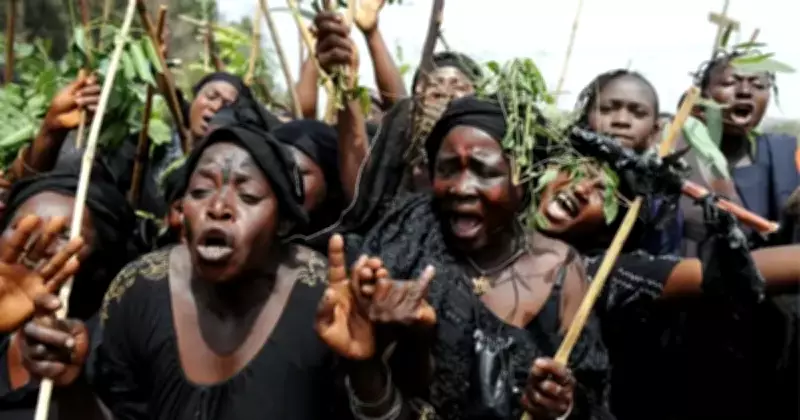
In a dramatic display of frustration and grief, women in Plateau State have taken to the streets to protest the rising tide of terrorist attacks in their communities. The protesters, led primarily by women from Barkin Ladi Local Government Area, have made a bold demand: they want soldiers to leave their state entirely.
Destruction of Military Checkpoint
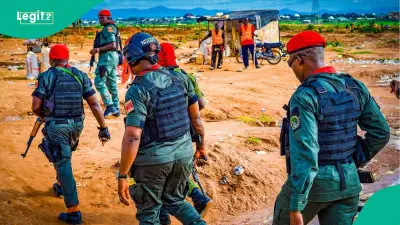
The protest turned particularly intense when demonstrators destroyed a military checkpoint in the Gashish community. This act of defiance was described by participants as a symbolic rejection of what they perceive as ineffective security measures. The women expressed that the checkpoint's presence had failed to prevent repeated attacks, making it a target for their anger.
Mercy Dachung, one of the protesters, voiced the collective pain of the community: "We are tired of burying our children and husbands. The soldiers are here, yet we are still dying. If they cannot protect us, they should leave our land."
Accusations Against Security Forces
Residents leveled serious accusations against security operatives, claiming they consistently fail to prevent attacks. Many protesters alleged that troops typically arrive only after casualties have been recorded, raising questions about their effectiveness and commitment.
Nancy Gyang, another protester, questioned the military's role: "Each time we are attacked, we call them. They come after we have counted our losses. Are they with us or with the killers?" She explained the checkpoint destruction: "We removed that checkpoint because it has not stopped the attacks."
Recent Attacks Spark Outrage
The protest follows fresh attacks in parts of Barkin Ladi and neighboring areas where suspected bandits reportedly invaded communities, killed several residents, and forced others to flee their homes in fear. Community leaders describe villages as devastated, with livelihoods destroyed and residents living under constant threat.
Chundung Bot, a woman leader in the community, highlighted the disconnect between security presence and actual safety: "They tell us they are here for peace, but there is no peace. Our youths are gone, our elderly are gone, and our farms are no longer safe. We want the government to hear us. We cannot continue like this."
Deepening Crisis of Confidence
While protesters made strong accusations, including suspicions of negligence, there has been no official confirmation of wrongdoing by the Nigerian Armed Forces. However, the protest underscores a growing crisis of confidence in security institutions.
Plateau State has long struggled with recurring violence linked to complex disputes over land, identity, and resources. Despite numerous security deployments, attacks have continued, leading to increasing frustration among residents.
The latest protest highlights how communities are beginning to question the fundamental effectiveness of those tasked with protecting them. The women's demands represent not just anger over specific incidents, but a broader loss of trust in security arrangements that have failed to deliver meaningful protection.
As the protest continues, it raises critical questions about security strategy in conflict-affected regions and the relationship between communities and the military forces deployed to protect them.