Zamfara and OLI Group Decry Reintegration of Terrorists into Society
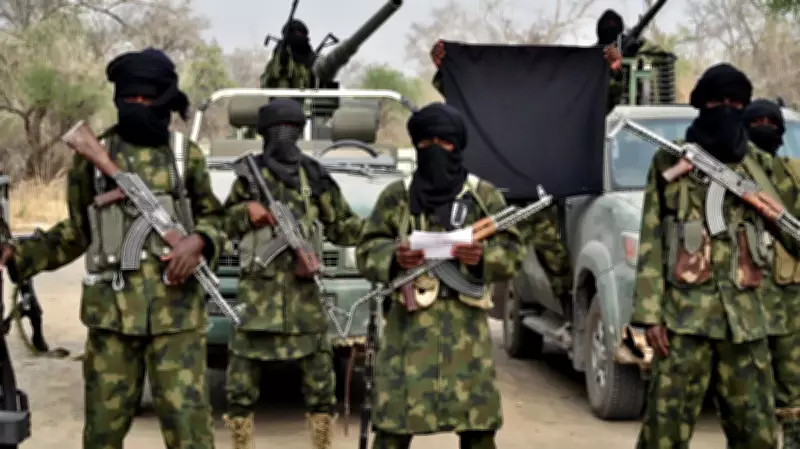
A prominent group, the Ogoni Liberation Initiative (OLI), has strongly criticized the Federal Government of Nigeria for its policy of forgiving and reintegrating Boko Haram terrorists into society. These individuals have been responsible for the deaths of numerous innocent Nigerians, soldiers, and Army generals. The group expressed deep dissatisfaction with this approach, highlighting the stark contrast with past injustices.
Historical Injustices and Current Concerns
OLI pointed out that while Ken Saro-Wiwa and other environmental activists were unjustly executed for peacefully advocating for their rights, the government is now showing leniency towards terrorists. Dr. Fabeke Douglas, the President and Chief Executive Officer of OLI, stated in a release to The Guardian from Abuja that the ongoing injustice against the Ogoni people requires a genuine resolution to address collective moral concerns.
According to Douglas, no temporary or superficial projects can justify the resumption of oil extraction in the Niger Delta without first tackling the core issues, especially in Ogoniland. He emphasized that the only viable solution to this long-standing problem is to meet the demands specified in the Ogoni Bill of Rights, which is particularly relevant to Bori State.
Warnings and Demands
Douglas argued that granting Bori State its rightful entitlements would bring closure to the matter. He also warned that attempts to trivialize the Ogoni cleanup as merely an environmental issue are part of a broader strategy to undermine critical concerns. "Those negotiating with the Federal Government on oil resumption must remember that without addressing the Ogoni Bill of Rights, no real progress can be achieved," he said. "Failure to heed this advice could lead to more radical demands. We are closely monitoring how this situation unfolds."
Security Threats in Abuja and Niger State
In a related development, security agencies have issued alerts about planned attacks by Boko Haram and the Islamic State West Africa Province (ISWAP) on key locations in Abuja and Niger State. These groups intend to execute a series of coordinated operations within the Federal Capital Territory and surrounding areas.
A statement by Deputy Comptroller-General T. Bomodi identified potential targets, including the Nnamdi Azikiwe International Airport, Kuje Custodial Centre, and the Wawa Military Detention Facility in the Kainji area of Niger State. The release called for enhanced security measures at these sites, noting that ISWAP operatives, led by Ismail Dan Hajji, have already infiltrated the nation's capital to facilitate the attacks.
The plan involves releasing detained terrorists and causing significant damage to aviation infrastructure. An analysis of the report indicates a concerning correlation between the targets in Abuja and Niger State, underscoring the urgent need for increased patrols and surveillance around critical national assets, particularly within the FCT Command.
Zamfara State's Firm Stance Against Banditry
Meanwhile, the Zamfara State Government has reiterated its unwavering position against negotiating with bandits. The state is committed to intensifying efforts and adopting new strategies to combat insecurity. This assurance was given by Deputy Governor Mani Malam Mummuni Mudi, who also chairs the State Committee on Sympathy and Humanitarian Assistance established by Governor Dauda Lawal.
During a condolence visit to Bunkasau village in Bukkuyum Local Government Area, following a recent bandit attack, the Deputy Governor expressed profound sorrow over the incident. He confirmed that at least twenty-six people lost their lives, with several others injured. In response, the state government has approved N15 million in support for the families of the deceased and the injured.
Speaker of the Zamfara State House of Assembly, Bilyaminu Ismail Moriki, praised the bravery of the Bunkasau community in defending themselves. He revealed that the State Assembly is considering legislation to allow communities to bear arms for self-defense, in accordance with constitutional provisions, as part of broader measures to enhance security.