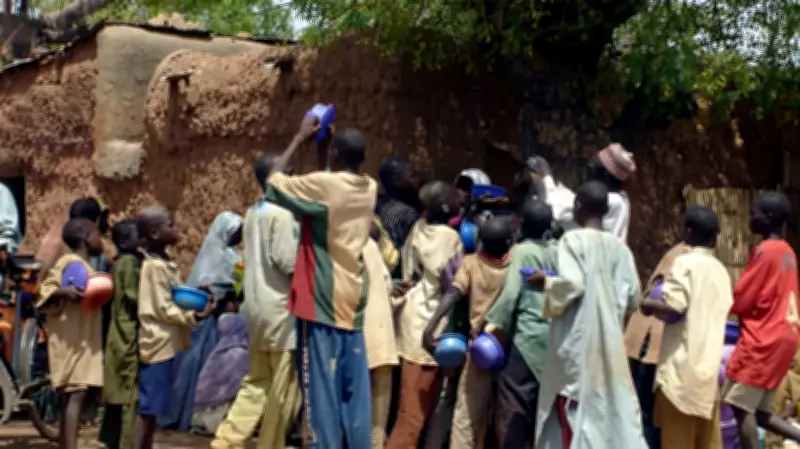
The World Health Organisation (WHO) has revealed that approximately 9.5 million children across Africa remain under-immunised, primarily due to poverty and ongoing conflicts. Additionally, 6.7 million children in the region have not received a single routine vaccine. This disclosure was made by the WHO Regional Director for Africa, Dr Mohamed Janabi, in a message commemorating the 2026 African Vaccination Week.
Dr Janabi emphasised that immunisation remains one of the most effective public health interventions, safeguarding individuals at every stage of life. He noted that vaccines prevent approximately 1.8 million deaths annually across the continent, underscoring their life-saving impact. Since 2000, vaccination efforts have protected an estimated 500 million African children.
Progress and Innovations
Newer interventions, such as the human papillomavirus (HPV) vaccine, are helping to prevent cervical cancer among adolescent girls. Maternal vaccines are also protecting mothers and newborns, while booster doses continue to strengthen immunity into adulthood. Several African countries are making progress through innovative vaccine delivery methods, including digital immunisation records, solar-powered cold chain systems in remote areas, and enhanced community engagement to improve vaccine uptake.
Malaria vaccines are being rolled out in 25 countries, marking a significant step in combating one of Africa's deadliest diseases. In December 2025, Cabo Verde, Mauritius, and Seychelles achieved a milestone by becoming the first countries in the WHO African Region to eliminate measles and rubella, following verification by the African Regional Verification Commission.
Closing Immunisation Gaps
Efforts to close immunisation gaps have gained momentum through the Big Catch-Up initiative, which has reached nearly 8.75 million children who previously missed routine vaccinations. Coverage for diphtheria, tetanus, and whooping cough has rebounded to pre-COVID-19 levels. Regarding polio, vaccination campaigns since 1988 have prevented an estimated 1.57 million deaths and averted paralysis in over 20 million people. In the Lake Chad Basin and the Horn of Africa alone, nearly 200 million children were vaccinated last year through coordinated cross-border efforts.
Dr Janabi highlighted that countries are demonstrating what is possible through innovation, with digital records tracking schedules, solar-powered refrigerators preserving vaccines in remote clinics, and community leaders working with health services to reach more families. He said, "In 25 countries, malaria vaccines are being introduced as a powerful new tool against a long-standing threat. Yet we must also be honest about the challenges. Around 6.7 million children in the region have not received a single routine vaccine, while a further 9.5 million remain under-immunised."
Challenges and Way Forward
Immunisation efforts face challenges due to dwindling funding and disruptions caused by conflicts. Dr Janabi stressed that for Africa to stay on track toward the 2030 immunisation target, countries must deepen domestic resource mobilisation and strengthen national ownership of immunisation programmes. He warned that ongoing measles outbreaks, the threat of vaccine-derived poliovirus, and recent diphtheria cases highlight the risk of reversing hard-won progress.
"Immunisation is not a stand-alone programme. It is a pillar of primary health care and a foundation of universal health coverage," he said, urging countries to increase domestic financing and ownership of vaccination programmes. Dr Janabi also emphasised that immunisation remains a high-return investment, noting that every dollar spent on childhood vaccines in Africa yields an estimated $44 in economic benefits through reduced healthcare costs and improved productivity. He called on governments, partners, and communities to intensify collaboration to ensure that the benefits of vaccines reach everyone, regardless of age or location.