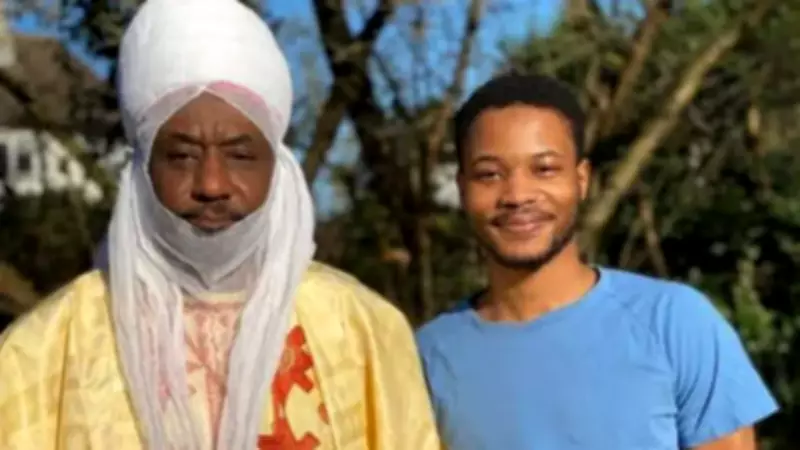
Ashraf Sanusi, the son of the Emir of Kano, has publicly criticized global media coverage following the horrific, hate-fueled attack on the Islamic Center of San Diego. Taking to social media, Sanusi called out what he perceives as a stark double standard in how the race, religion, and motives of white Christian perpetrators are reported compared to individuals of other faiths.
The Attack and Its Aftermath
The attack occurred during a school session at San Diego's largest mosque, resulting in the tragic deaths of three mosque staff members: security guard Amin Abdullah, teacher Mohamed Nader, and caretaker Mansour Kaziha. Authorities confirmed that the swift actions of the security team successfully forced a lockdown, saving the lives of roughly 140 children who were inside the facility at the time. The two teenage gunmen, identified by law enforcement as Cain Lee Clark (17) and Caleb Liam Vazquez (18), later died from self-inflicted gunshot wounds.
Ashraf Sanusi's Criticism
Reacting to the tragedy, Ashraf Sanusi expressed deep frustration over how the identities of the attackers have been handled by international press outlets. He stated: "The attack on the mosque in San Diego, on children two days ago, over 150 children school there, no one is calling the people that killed 3 people because they couldn't kill 150 children 'terrorists.' No one is mentioning their race because they're white. No one is mentioning their religion because they're Christian."
Sanusi argued that this selective framing is part of a broader, systemic issue rather than an isolated incident. To support his point, he referenced prominent academic research highlighting how terrorism coverage varies drastically depending on the background of the perpetrator. He emphasized that the media's failure to label the attackers as terrorists reflects a dangerous bias that must be addressed.
Broader Implications
The incident has sparked widespread debate about media bias and the differential treatment of violent acts based on the perpetrators' backgrounds. Critics argue that such double standards fuel Islamophobia and undermine efforts to combat extremism uniformly. Sanusi's comments have resonated with many who feel that the media often downplays or ignores the religious and racial identities of white Christian attackers while highlighting those of Muslim or non-white perpetrators.
The attack on the Islamic Center of San Diego has once again brought attention to the need for consistent and unbiased reporting in the coverage of violent crimes. As the community mourns the loss of three innocent lives, the call for media accountability grows louder.