Doctors are warning Nigerians in Lagos, Abuja, and across the country to stop eating bush meat as the Ebola virus continues to spread in the Democratic Republic of Congo (DRC) and neighboring Uganda. The outbreak has already claimed at least 80 lives in the DRC, raising fears of cross-border transmission.
NCDC Issues Warning on Bush Meat
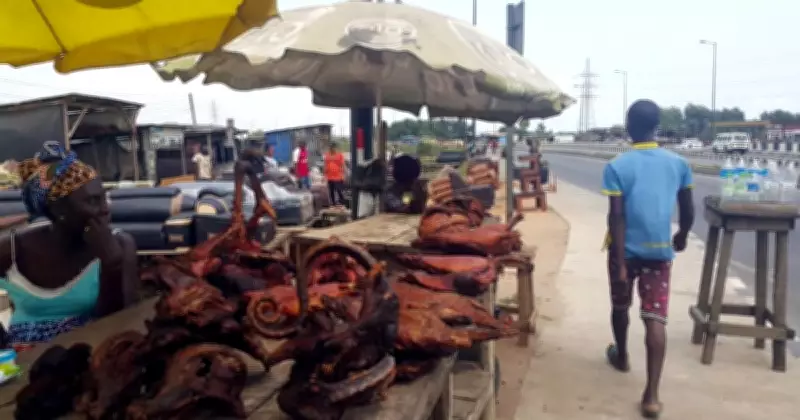
The Nigeria Centre for Disease Control and Prevention (NCDC) confirmed on Wednesday that Nigeria currently has no recorded cases of Ebola. However, the agency's Director-General, Dr. Jide Idris, urged Nigerians not to let their guard down. Health experts emphasize that bats and non-human primates, commonly sold as bush meat in Nigerian markets, are known carriers of the Ebola virus. Hunting, handling, or eating improperly cooked bush meat remains a clear pathway for the disease to jump from animals to humans.
One consultant public health physician stated: "Nigerians should stop hunting and consuming bush meat during the Ebola outbreak. Suspected cases should be reported immediately to health facilities."
Ebola Outbreak in DRC and Uganda
The current outbreak is the 17th time Ebola has struck the DRC since the virus was first identified in 1976. The culprit this time is the Bundibugyo strain, a rare and particularly dangerous variant for which no approved vaccine or treatment exists. The World Health Organization (WHO) declared the outbreak a Public Health Emergency of International Concern on May 16, 2026, after 246 suspected cases and at least 80 deaths were recorded in Ituri Province alone. Two confirmed cases also emerged in Kampala, Uganda, both linked to travel from DRC, indicating the virus is already crossing borders.
Response efforts have been slowed by armed conflict and mass displacement in eastern DRC, allowing the virus to spread further.
Nigeria's Preparedness
Nigeria has a painful history with Ebola. In 2014, a single infected traveler arriving in Lagos triggered an outbreak that claimed eight lives before it was contained. The NCDC has activated surveillance at ports of entry and is coordinating with Port Health Services across the country. Residents are advised to wash hands regularly, avoid contact with bodily fluids of sick persons, and report any unusual illness promptly.
Doctors stress that the warning against bush meat is not a cultural attack but a medical necessity. With no vaccine available for the Bundibugyo strain and cases rising daily in the DRC, the easiest protection for Nigerians right now is what they choose not to eat.