Honduras has been shaken by a wave of deadly violence, leaving at least 25 people dead in coordinated attacks. Gunmen targeted both plantation workers in Trujillo and police officers in Omoa, marking one of the bloodiest days in recent years. The killings underscore the country's persistent struggle with gang violence, land disputes, and fragile security measures.
Attack on Plantation Workers in Trujillo
According to reports, 19 people lost their lives when gunmen stormed a palm plantation in Trujillo, a municipality in northern Honduras. Armed suspects fired indiscriminately on laborers, with the oldest victim aged 61. Photographs from the scene showed bodies lying outside, some still wearing rubber boots used for plantation work. The attack occurred near the Aguan River Valley, an area notorious for violent land disputes.
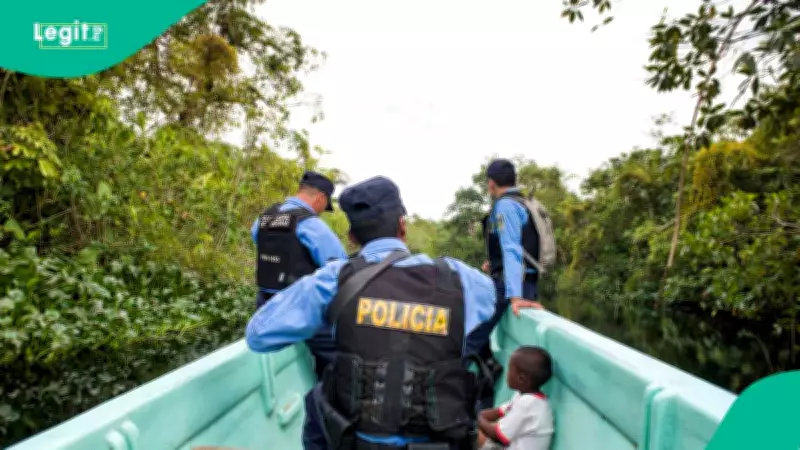
Police Ambush in Omoa
In a separate incident, six police officers were ambushed and killed in Omoa, near the Guatemalan border, while conducting an operation against gangs. The coordinated nature of the attacks has raised serious concerns about public safety and the effectiveness of current security policies.
Government Response
The National Police issued a statement vowing swift action: "The state will act firmly to capture those responsible, protect vulnerable communities and guarantee comprehensive justice for all affected victims." Authorities confirmed that direct interventions will take place in the affected areas. President Nasry "Tito" Asfura, who took office in January after a state of emergency ended, has prioritized a hardline security approach. New laws passed this week allow gangs and drug cartels to be designated as terrorist groups, alongside the creation of a new anti-organized crime unit.
Land Conflicts and Gang Violence
The Trujillo shooting is linked to ongoing land conflicts in the Aguan River Valley, where armed groups involved in narcotrafficking and palm oil extraction have fought for control for decades. Police chief Carlos Rojas explained that criminal groups occupy and exploit African palm plantations, using profits to buy weapons. Farmer organizations, however, accuse transnational agribusiness corporations of backing these groups to prevent residents from reclaiming disputed lands. According to Reuters, more than 150 people in the region have been killed or disappeared, with environmental and land rights activists often targeted. Honduras is considered one of the most dangerous countries in the world for such activists.
The recent attacks highlight the fragility of security in Honduras despite government efforts to curb organized crime. The country has long struggled with gang-related violence, and the new anti-terrorism laws aim to strengthen the state's response. However, concerns remain about civil liberties and the effectiveness of a hardline approach.