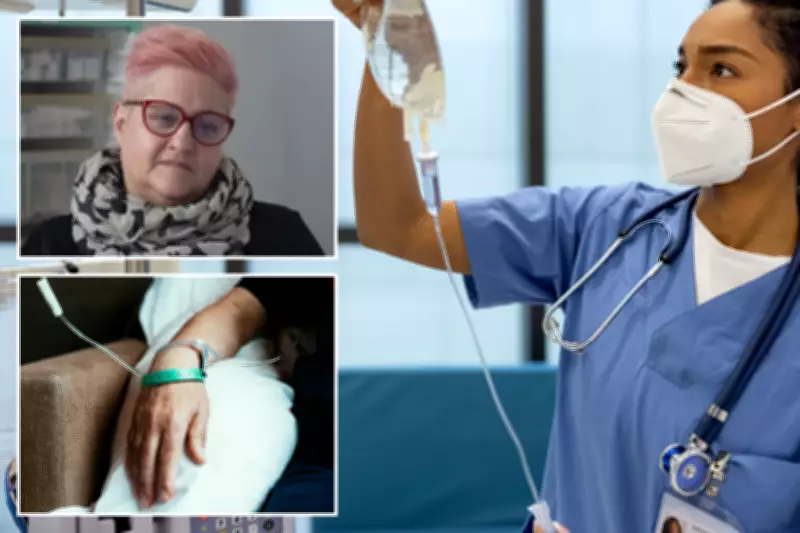
An investigation has raised concerns that thousands of NHS nurses could be exposed to hazardous drugs linked to miscarriage, infertility, and other serious health issues while working without adequate protective gear. The joint probe by The Independent and Channel 4 News found that many healthcare workers handling chemotherapy and other high-risk medications are reportedly provided with only basic protective equipment, such as plastic aprons and gloves.
Health Risks from Toxic Drug Exposure
Experts warn that exposure to toxic medicines used to treat cancer, HIV, arthritis, and multiple sclerosis could place staff at risk through inhalation, spills, or contact with contaminated surfaces. Alison Simons, a cancer nurse with over 20 years of experience, shared her personal experience of multiple miscarriages early in her career while administering chemotherapy drugs with minimal protection. “When I was giving chemo, all we wore were plastic aprons and gloves to our wrists,” she said. “I experienced three miscarriages, and at first, I didn’t make any link between these and giving chemotherapy at all. In fact, it was my GP who said, ‘You give chemotherapy, don’t you.’”
Simons noted that conversations with colleagues later revealed similar experiences involving fertility problems and miscarriages among healthcare staff. Samantha Toland, a lead cancer therapy nurse at Worcestershire Acute Hospitals NHS Trust, also described concerns over inadequate protection measures within hospitals. “I’ve had colleagues who have had multiple miscarriages, up to six or seven, and had to be off work for most of their pregnancy,” she said. “The concern is that nurses are not getting the level of protection they should have.”
Reported Symptoms Among Healthcare Workers
Other healthcare workers reportedly described symptoms including nausea, dizziness, fatigue, skin irritation, and hair loss after repeated exposure to hazardous medications. Last year, the NHS West Midlands Cancer Alliance issued guidance warning that inadequate control measures when handling hazardous drugs could lead to miscarriage, birth defects, liver damage, and other serious health complications.
Research led by Karen Campbell found that 97 percent of nurses surveyed were given only plastic aprons while administering chemotherapy drugs. The study also found that many workers lacked specialized chemotherapy-rated gloves and proper sealed transfer devices designed to prevent leaks and contamination. Out of 747 nurses surveyed, 161 reported experiencing symptoms including headaches, miscarriage, fatigue, and dizziness.
Call for Stricter National Standards
The Royal College of Nursing (RCN) has called for stricter national standards governing the handling of hazardous medicines in hospitals. Louise Church stated: “The RCN recognises that these are vital treatments for patients, but what we want to see is that nurses and staff are properly protected when they are handling tools and caring for patients using these substances.”
An NHS spokesperson said staff safety remained a priority and pointed to existing regulations requiring employers to protect workers handling hazardous medicines. A UK government spokesperson also said there were “clear legal duties” requiring healthcare employers to ensure staff were properly protected and confirmed that the Health and Safety Executive was reviewing the evidence and considering whether stronger guidance or further action may be necessary.