Joyful Reunion After 56-Day Ordeal
Nigerians across ethnic, religious, and political divides erupted in celebration last week as 39 pupils and seven teachers abducted from schools in Oriire Local Government Area, Oyo State, were freed after 56 days in captivity. The release, hailed as a triumph of resilience, came without any ransom payment or prisoner exchange, according to the Tinubu administration. Eight members of the terrorist gang were arrested, affirming the state's commitment to security.
Mrs. Rachel Alamu, principal of Community Grammar School, Esiele, speaking on behalf of the victims, expressed gratitude to President Bola Tinubu: "Mr President, sir, we are grateful. We understand your commitment to our safety, and we appreciate all you did for us. Thank you very much… and every security operative; they tried so much, and that is why we are still alive now. We are very grateful to you. Thank you."
Remembering the Fallen Teacher
The joy was tempered by the tragic death of mathematics teacher Michael Oyedokun, who was brutally murdered by the terrorists in a video that sparked nationwide condemnation. His soul was remembered in somber prayers as the nation celebrated the survivors. The release came as a "rainfall during a drought," providing much-needed good news for Nigerians weary of security challenges.
State Police Conference and Ehud Barak Controversy
Amid the celebrations, a conference titled "Building a National Consensus for State Police and National Security," hosted by Arise News and ThisDay, drew attention for featuring former Israeli Prime Minister Ehud Barak as a speaker via Zoom. Barak, 84, a retired general and Israel's most decorated soldier, served as prime minister from 1999 to 2001. His involvement, however, sparked criticism from activists and civil society groups.
Criticism Over Ties to Jeffrey Epstein
Opponents highlighted Barak's long-standing business and personal relationship with disgraced financier Jeffrey Epstein, as documented in declassified US Justice Department records. Critics argue that Barak, alongside Epstein, marketed Israeli cyber-surveillance and facial-recognition technology to Nigeria under the guise of counter-terrorism, raising human rights concerns about civil liberties and press freedom. Bringing him to an intellectual symposium is seen as whitewashing commercial security dealings that prioritize profit over democratic rights.
Nigeria's Palestinian Stance and Religious Polarization
Nigeria's historically rooted foreign policy supports Palestinian self-determination and a two-state solution. Many intellectuals and pan-Africanists view Israel's policies through an anti-colonial lens. Hosting a former Israeli prime minister is perceived as an implicit endorsement of Israel's military record and settlement expansions, contradicting Nigeria's traditional solidarity with Palestine. Critics also warn that inviting such a polarizing figure risks exacerbating internal religious friction for a purely academic event.
Balancing Security Insights and Ethical Concerns
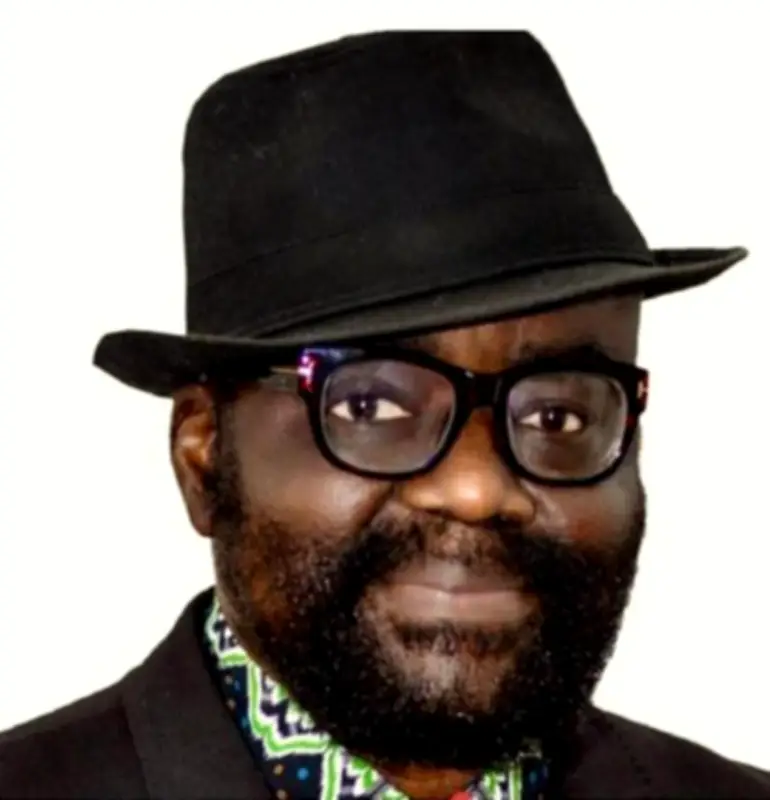
While acknowledging that Barak's insights on sophisticated intelligence capabilities, particularly signal intelligence, could benefit Nigeria's security architecture, observers caution against ignoring the ethical baggage. As Wole Olaoye, a public relations consultant and veteran journalist, noted: "There are times when the persona of the messenger taints the message. In every situation, we must always remember that words are cheap. What matters is not what they say. It's what they do!"