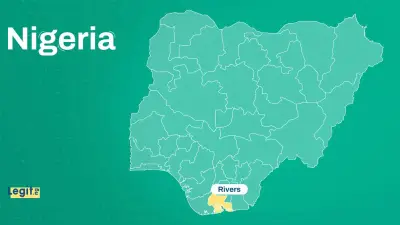
The US Embassy in Abuja is reportedly halting routine visa processing, shifting all operations southward to the Lagos consulate. This consolidation is part of a broader US government policy to reduce the number of embassies and consulates in Africa authorized to process visas from nearly 50 down to just 20 regional hubs, according to an internal State Department memo approved by US Secretary of State Marco Rubio.
List of 20 approved US visa-processing embassies in Africa
According to the leaked memo, only 20 select embassies and consulates across the continent will remain open for full immigrant and non-immigrant visa processing. In West Africa, the hubs are Lagos (Nigeria), Abidjan (Ivory Coast), Accra (Ghana), Dakar (Senegal), Lome (Togo), Monrovia (Liberia), and Praia (Cabo Verde). East Africa includes Addis Ababa (Ethiopia), Dar-Es-Salaam (Tanzania), Djibouti (Djibouti), Kampala (Uganda), Kigali (Rwanda), and Nairobi (Kenya). Southern Africa features Cape Town (South Africa), Johannesburg (South Africa), Luanda (Angola), and Port Louis (Mauritius). Central Africa includes Kinshasa (Congo), Malabo (Equatorial Guinea), and Yaounde (Cameroon).
Impact on Nigerians
Routine visa services face unprecedented consolidation, leaving Lagos as the sole processing hub for thousands of Nigerian applicants. Historically, applicants from northern states and the Federal Capital Territory relied on the Abuja office to avoid traveling south. With Abuja restricted, anyone seeking a visa for study, work, business, or tourism must now factor in expensive domestic flights, hotel stays, and extended time off work to attend physical interviews in Lagos.
Unprecedented backlogs in Lagos
The US Consulate General in Lagos already battles some of the longest visa appointment wait times globally. Funneling the entire country's application traffic, alongside potential overflow from neighboring West African non-hub territories, into a single location is expected to trigger severe appointment scarcity. Wait times, which already span several months, could stretch past a year for non-priority visa classes. Consular offices will likely prioritize strict deadlines, such as F-1 student visas and emergency medical cases, leaving standard B1/B2 tourist and business applicants facing indefinite delays.
Impact on Nigerian students and skilled workers
Nigeria sends the largest cohort of African students to US universities. Delays in securing interview slots could cause students to miss university resumption dates, forcing costly admission deferrals or jeopardizing scholarships. Nigerian professionals undergoing corporate relocations or tech placements may face processing delays that disrupt employment start dates. Tourist and business applicants will likely bear the brunt of the longest delays.
Why is the US cutting African visa services?
This structural consolidation is part of a broader push to limit immigration to the United States, specifically targeting travelers who enter on temporary visas but subsequently overstay them. The administration has simultaneously scaled back diplomatic personnel globally. The State Department noted that it is "constantly evaluating its overseas operations to deploy taxpayer resources in a way that advances America's priorities as efficiently and effectively as possible."
Strategic steps for Nigerian applicants
Applying for a US visa will not become impossible, but accessing the interview itself will require a much more aggressive strategy. Applicants should apply 6 to 9 months early, monitor the official scheduling portal aggressively for unexpected slot openings, and ensure flawless documentation to avoid visa refusal due to administrative errors.