UN Report Places Nigeria Among Nations with Highest Child Soldier Recruitment
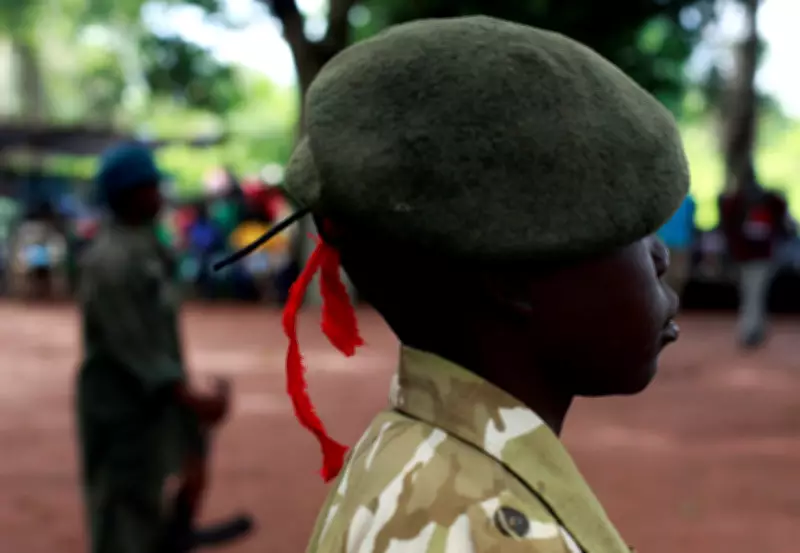
The United Nations has disclosed that Nigeria ranks among the countries with the most severe cases of child recruitment by armed groups, highlighting a grave humanitarian crisis. This revelation comes as the world prepares to observe the International Day Against the Use of Child Soldiers on February 12, with the UN expressing deep concern over the ongoing exploitation of children in global armed conflicts.
Alarming Statistics and Global Context
Vanessa Frazier, the UN Special Representative for Children and Armed Conflict, described the recruitment of children as one of the most widespread and devastating violations occurring in conflict zones. "In 2024 alone, over 7,400 children were recruited or used by armed forces and armed groups, and those are only the verified cases," she stated. "Over the last 30 years, we have separated over 220,000 children from armed gangs."
Nigeria was specifically named alongside the Democratic Republic of the Congo, Somalia, Syria, and Myanmar as nations where violations against children are most prevalent. The UN office monitors approximately 26 conflict situations worldwide, with these five countries recording the highest number of abuses.
Nigeria's Persistent Insurgency and Child Vulnerability
For more than a decade, northern Nigeria has endured persistent insurgency, with armed factions like Boko Haram and its offshoots accused of systematically recruiting children as fighters, informants, and for various other roles. Although military operations have weakened some groups, humanitarian agencies warn that children in conflict-affected communities remain exceptionally vulnerable to exploitation.
Ms Frazier emphasized that the reported figures represent real children whose lives have been profoundly disrupted. "Each number in our report represents a child whose innocence has been interrupted," she explained, noting that verified cases likely account for only a fraction of the actual incidents.
UN Efforts: Release, Reintegration, and Challenges
Beyond documentation, the UN actively engages with armed groups to secure the release of children and facilitate their safe return to society. "Once separated, UNICEF and our partners work on their reintegration, ensuring they receive psychosocial support, access to education and the chance to reclaim their childhood," Ms Frazier detailed.
However, reintegration often presents significant challenges, particularly for girls who may face stigma upon returning to their communities. "For societal reasons, some girls cannot be fully reintegrated and are considered damaged goods," she acknowledged, underscoring the complex social barriers to recovery.
Prevention, Accountability, and the Role of Education
Ms Frazier stressed that prevention is paramount to ending child recruitment, highlighting that access to education plays a critical protective role. "When children are out of school, they become highly vulnerable to recruitment, whether forced or coerced," she noted.
Emphasizing the importance of accountability, she added that prosecuting those responsible sends a powerful deterrent message. "When warlords or armed group leaders are prosecuted and sentenced for recruiting children, including in national courts and at least three cases before the International Criminal Court, it sends a powerful message."
Personal Reflections from Conflict Zones
Reflecting on her visits to conflict zones, including meetings with survivors of Boko Haram abductions in Nigeria, Ms Frazier shared poignant insights. "You hear about a 13-year-old girl holding her baby, and you realize how deeply conflict steals childhood. Children are the epitome of innocence. They have not taken sides in any war, yet their innocence and childhood have both been interrupted. Children should never be treated as collateral of war."
She concluded by emphasizing that protecting children through education, reintegration, and accountability measures remains essential to building sustainable peace and preventing future violations.