
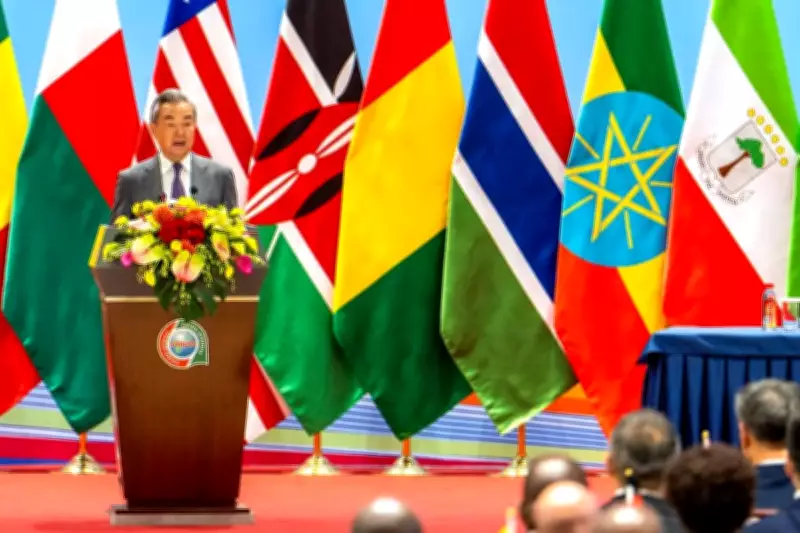
China Announces Zero-Tariff Policy for African Nations Effective May 1
In a significant move to bolster economic ties, China will begin implementing a zero-tariff policy for nearly all African countries starting May 1, as announced by President Xi Jinping on Saturday, February 14. The declaration was reported by state media and marks a major expansion of Beijing's trade initiatives with the continent.
Expansion of Existing Tariff Elimination
Beijing had previously eliminated tariffs on imports from 33 African nations and had signaled intentions to extend this policy. The new measure will now cover all 53 African countries with which China maintains diplomatic relations, with one notable exception. Eswatini is excluded from the zero-tariff arrangement due to its diplomatic recognition of Taiwan rather than Beijing.
China remains Africa's largest trading partner and has been instrumental in financing extensive infrastructure projects across the continent under its ambitious "Belt and Road" initiative. From May 1, all qualifying African nations will enjoy duty-free access to the vast Chinese market, potentially boosting exports and economic growth.
Diplomatic Context and Exceptions
The exclusion of Eswatini stems from its diplomatic relationship with Taiwan, which China considers an inalienable part of its territory. Beijing has consistently stated that it has not ruled out using force to reclaim Taiwan if necessary. This policy reflects China's firm stance on the "One China" principle in its international engagements.
President Xi emphasized that the zero-tariff arrangement "will undoubtedly provide new opportunities for African development." He made this declaration as African leaders gathered in Ethiopia for the annual African Union summit, highlighting the timing's strategic importance.
Broader Geopolitical Implications
The announcement comes amid a shifting global trade landscape, where several African countries have been strengthening economic ties with China and other partners. This trend has accelerated following the imposition of steep global tariffs by former US President Donald Trump last year, prompting nations to diversify their trade relationships.
Simultaneously, China's Foreign Minister Wang Yi issued a stern warning to the United States regarding Taiwan during remarks at the Munich Security Conference in Germany. Wang cautioned Washington against actions he described as "instigating and plotting to split China through Taiwan, crossing China's red line."
"This could very likely lead to a confrontation between China and the United States," he stated, adding that while Beijing hopes for a constructive approach from Washington, "we are also prepared to deal with various risks." The United States remains Taiwan's principal international supporter and arms supplier, making American involvement a critical factor in any escalation of tensions.
Additional Diplomatic Warnings
Wang Yi also addressed strained relations with Japan, which have deteriorated since Prime Minister Sanae Takaichi assumed office in October. He urged caution against nationalist influences in Tokyo, warning that "the Japanese people should no longer allow themselves to be manipulated or deceived by those far-right forces, or by those who seek to revive militarism."
He further asserted that "all peace-loving countries should send a clear warning to Japan: if it chooses to walk back on this path, it will only be heading toward self-destruction." These comments underscore China's assertive diplomatic posture amid complex international dynamics.
This comprehensive tariff elimination initiative represents a strategic effort by China to deepen its economic footprint in Africa while navigating delicate geopolitical waters involving Taiwan and other regional powers.




