In one of the deadliest attacks in 2026, bandits ambushed travellers along the Magami–Dansadau highway in Zamfara State on Sunday evening, killing 30 people. The incident has reignited debates about Nigeria's internal security framework as the government moves to establish a new homeland security advisory role.
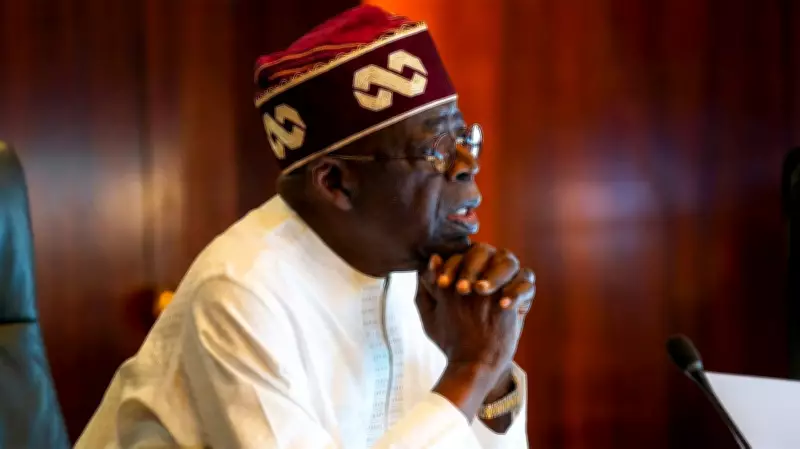
President Bola Tinubu approved the appointment of Maj-Gen. Adeyinka Famadewa (rtd) as Special Adviser on Homeland Security, a move aimed at strengthening internal security coordination and intelligence-driven operations across the country. The appointment was conveyed in a circular signed by the Secretary to the Government of the Federation, Senator George Akume, and issued by the Permanent Secretary, General Services Office, Dr Ibrahim Kana.
According to the statement, the appointment reflects the Tinubu administration's commitment to inter-agency collaboration and improving Nigeria's response to emerging security threats. The highly decorated retired military officer brings more than three decades of experience in military intelligence, counter-terrorism operations, national security strategy, and international security diplomacy.
However, concerns have emerged about whether new security structures genuinely address institutional gaps or merely duplicate responsibilities already assigned to existing agencies. Stakeholders note that the creation of another homeland security advisory office risks creating institutional duplication rather than institutional efficiency.
A security expert, Damilola Ajasa, argued that Nigeria's security architecture requires streamlining more than expansion. "Nigeria's security challenge has rarely been the absence of institutions. More often, it has been weak coordination, bureaucratic competition, duplication of mandates, and inconsistent implementation. Creating additional layers without addressing these underlying problems risks adding complexity rather than clarity," he added.
Another expert, Dr Charles Omole, argued that Nigeria does not merely need more security offices. "It needs a new security mindset; one that is integrated, accountable, preventive, technologically intelligent, locally informed, and human in its priorities. That is the real test of this appointment. And that is the standard by which the new Special Adviser should be judged."
Spokesman for the Zamfara Community Protection Guard, Abubakar Gummi, who confirmed the incident to newsmen yesterday, explained that the attackers targeted motorists and commuters between Magami and Gusau, opening fire on vehicles in a coordinated ambush. Gummi confirmed that 21 civilians, eight local hunters, and one community protection guard were killed in the assault.
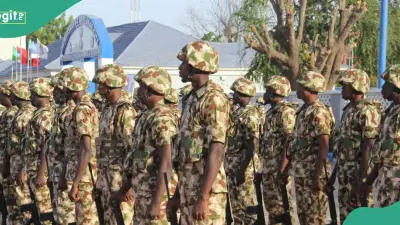
According to him, security operatives and community guards engaged the bandits in a gun duel, during which scores of bandits were neutralised, although he did not give an exact figure of casualties in the militants' camp. Despite ongoing military and community-led operations, the Magami–Dansadau highway has long remained a flashpoint for banditry in Zamfara South, with frequent attacks on travellers, farmers, and traders.
The victims' bodies, according to security sources, have been recovered, while survivors are receiving treatment for injuries sustained during the ambush. The attack underscores the persistent security challenges facing the region and the urgency of effective inter-agency collaboration.