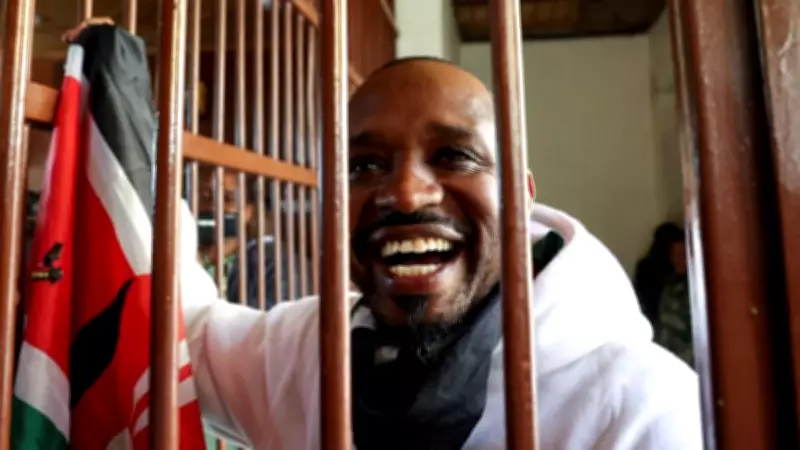
Kenyan Activist Boniface Mwangi Fears for Life After Police Spyware Incident
Prominent Kenyan activist and former photojournalist Boniface Mwangi has publicly stated that he fears for his life following revelations that authorities allegedly installed spyware on his mobile phone during his arrest last year. The activist, who has announced plans to run for president in 2027, described feeling "violated" by the surveillance and expressed "life-threatening concerns" for himself and his inner circle.
Police Raid and Surveillance Discovery
In July 2025, Kenyan police conducted simultaneous raids on Mwangi's home and office, confiscating his mobile phones and computer hard drives while accusing him of "facilitation of terrorist acts." A comprehensive report published on Tuesday, February 17, 2026, by Citizen Lab—a respected research group at the University of Toronto in Canada—revealed that surveillance technology developed by Israeli firm Cellebrite had been installed on Mwangi's phone without his knowledge or consent.
Cellebrite's technology is extensively utilized by law enforcement agencies worldwide to unlock smartphones and extract data for criminal investigations. However, human rights organizations including Amnesty International have repeatedly raised serious concerns about its potential misuse in targeting journalists, activists, and government critics.
Extensive Data Access and Security Breach
According to the detailed Citizen Lab findings, Kenyan police gained access to an extensive range of sensitive data on Mwangi's device, including:
- Private messages and communications
- Personal documents and confidential files
- Financial information and banking details
- Passwords and security credentials
- Other highly sensitive personal data
Mwangi told AFP on Wednesday, February 18, that he now fears he could become "a target for elimination" given the government's comprehensive overview of his personal and professional networks. "Now the government has an overview of who is in my inner circle, and I fear for their safety too," he stated with evident concern.
Political Context and Historical Precedents
The activist's fears are grounded in recent Kenyan history. Following widespread anti-government protests in 2024, numerous individuals were reportedly killed or forcibly disappeared by police in what human rights groups described as a wave of abductions targeting government critics. While authorities pledged to investigate these incidents, no findings have been publicly released to date.
Mwangi has been a prominent figure in protests against President William Ruto's administration and alleged extrajudicial killings. He noted that "the level of targeted harassment and violations has increased since I announced I'm running for president" and expressed additional concern that members of his campaign team might also be under surveillance.
Legal Strategy and Broader Implications
The activist, who has been arrested multiple times throughout his career, intends to rely on Citizen Lab's findings in court as he challenges the criminal charges stemming from his 2025 arrest. "We will ask the court to order the government not to leak the contents of my phone online, especially my family pictures," Mwangi declared, highlighting the personal nature of the privacy violation.
This case represents part of a broader pattern identified by researchers. In a separate incident last year, Citizen Lab reported that spyware had been installed on the devices of four Kenyan filmmakers who were arrested over alleged links to a BBC documentary examining security service killings during the 2024 protests.
AFP confirmed that it had contacted Kenyan police for comment regarding Mwangi's allegations, but no official response had been received at the time of reporting. The situation continues to raise significant questions about digital privacy, government surveillance practices, and the safety of political activists in Kenya's increasingly tense political environment.