The Pentagon has revealed that the cost of the war with Iran has risen to nearly $29 billion, as former President Donald Trump faces growing criticism over the conflict and its effect on US military readiness.
Updated Cost Estimates
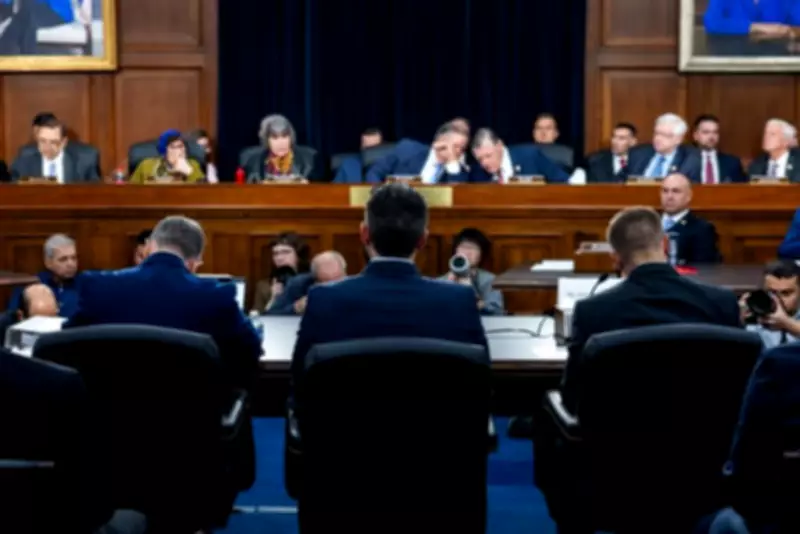
The updated figure was disclosed during a budget hearing on Capitol Hill, marking an increase of roughly $4 billion from the Pentagon's previous estimate released two weeks earlier. Pete Hegseth, Dan Caine, and Pentagon finance chief Jules Hurst III were questioned about the mounting costs during discussions on the administration's proposed $1.5 trillion defense budget for 2027.
Hurst told lawmakers that the estimate had risen from $25 billion to closer to $29 billion due to updated calculations involving equipment repairs, replacement costs, and broader operational spending. Democrats and critics of the war argued that the true financial impact could be significantly higher, especially when accounting for damage allegedly inflicted by Iran on US facilities and military assets.
Lawmakers Question Objectives and Transparency
During the hearing, lawmakers repeatedly pressed the administration for a clearer breakdown of the war's objectives and expenses. Rosa DeLauro questioned what the US had ultimately achieved through the conflict and at what cost, while Betty McCollum accused the Pentagon of lacking transparency regarding its strategy.
The hearings also highlighted concerns over declining US weapons stockpiles after months of missile strikes and air-defense operations in the Middle East. Hegseth rejected suggestions that American munitions reserves had been dangerously depleted, insisting the military still had "plenty of what we need."
However, Mark Kelly warned that inventories of advanced weapons systems, including Tomahawk missiles and Patriot interceptors, had been heavily reduced and could take years to rebuild.
Political Fallout and War Powers Debate
The hearings marked Hegseth's first appearance before Congress since the White House formally informed lawmakers that hostilities launched by the United States and Israel against Iran on February 28 had officially ended.
Democrats have continued accusing Trump of waging war without congressional approval and have repeatedly attempted to limit his war powers, though such efforts have been blocked by Republicans.
During a Senate hearing later the same day, Patty Murray questioned whether the administration's cost estimates excluded damage caused by Iranian strikes on US military facilities. Reports cited during the hearing claimed Iran struck at least 228 structures or pieces of equipment at American sites.
Hegseth declined to provide a detailed damage estimate but argued that preventing Iran from obtaining a nuclear weapon justified the military campaign. Trump has repeatedly claimed US air strikes "obliterated" Iran's nuclear program, despite intelligence assessments reportedly indicating Tehran remained years away from developing a missile capable of threatening the United States directly.