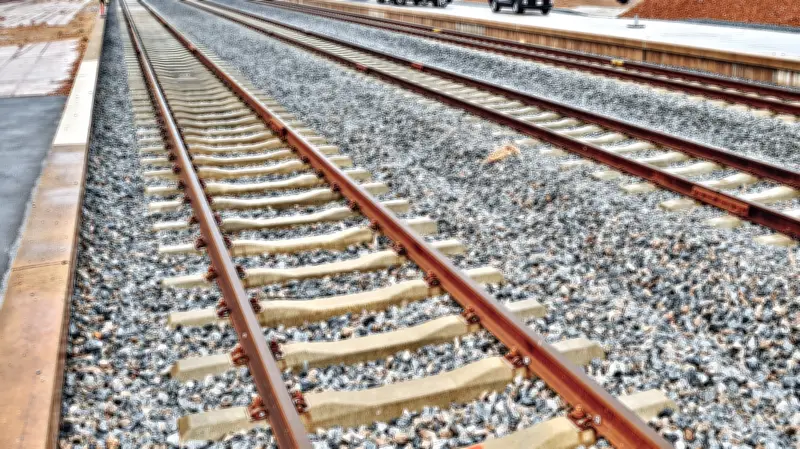
The Nigerian Railway Corporation (NRC) has expressed deep concern over the increasing attacks on its train operations along the Abuja–Kaduna rail corridor. In a statement, the NRC noted that suspected vandals and criminal elements have intensified their assaults, damaging locomotives and endangering passengers. The latest incident occurred around Kilometre 177, where unidentified individuals hurled projectiles at a speeding train, shattering the windscreen of the leading locomotive. Similar attacks have been recorded in over six locations along the corridor, including Gidan Busa and Sarki Gora Village in Chikun Local Council, Kaduna State.
Economic and Social Impact
Rail transportation is vital for Nigeria's multimodal transport system, given the country's population of over 230 million. The ability to move goods and services cheaply and effectively makes rail a strategic asset. However, the frequency of attacks disrupts operations, endangers lives, and deters passengers. The NRC warned that these incidents amount to economic sabotage of critical national infrastructure. The 2022 attack on the Abuja-Kaduna train, where gunmen used explosives and opened fire, killing several passengers and taking hostages, shattered public trust. Despite government assurances, security remains compromised, leading to dwindling interest in rail services.
Consequences for Freight and Insurance
The rising vulnerability of rail transportation has driven up insurance premiums for rail freight. Businesses that relied on rail to move farm produce and goods are now forced to use congested roads, exacerbating road deterioration and increasing waste. The over-reliance on trucks for bulk goods movement further strains infrastructure and raises costs.
Government Response and Recommendations
The government must prioritize prevention over reaction. Deploying technology such as digital fences, high-altitude drones, and fibre-optic sensors along rail tracks can detect threats in real-time. The NRC's 'community support' model, which trains locals to monitor tracks, should be expanded. Dedicated helipads within reasonable distance are essential for rapid response to incidents. Understudying successful rail security models from other countries is also recommended.
Ultimately, a safe and secure rail system would benefit millions of Nigerians, reducing food waste and enabling efficient movement across the country. The government must act decisively to restore confidence and protect this critical infrastructure.