Residents of Lekki, a prominent Lagos suburb, are grappling with a two-week power blackout that has forced many households and businesses to rely heavily on generators, sending fuel spending soaring. The outage, which began in late July, has disrupted daily life and increased operational costs, according to multiple residents who spoke to Nairametrics.
Blackout Sparks Fuel Crisis
The prolonged power cut has left residents with no alternative but to purchase petrol and diesel to run their generators for extended hours. A resident, Mr. Tunde Adebayo, told Nairametrics, "We now spend an average of N5,000 daily on fuel just to keep our homes running, compared to N1,500 before the blackout. It is a huge financial burden."
Businesses, particularly small and medium enterprises, are also feeling the pinch. A restaurant owner in the Lekki Phase 1 area, Mrs. Funmi Okafor, reported that her monthly fuel expenses have tripled, cutting into her profit margins. "We cannot afford to close, so we run the generator for at least 10 hours daily. It is unsustainable," she lamented.
Eko Electric Cites Grid Failure
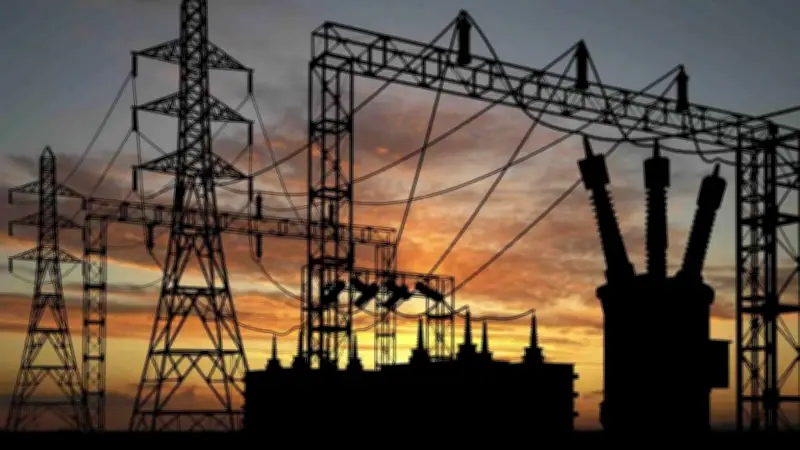
The Electricity Distribution Company serving the area, Eko Electricity Distribution Company (EKEDC), has attributed the blackout to a fault in the transmission grid. In a statement, EKEDC's Head of Corporate Communications, Mr. Godwin Idemudia, said, "We are working with the Transmission Company of Nigeria (TCN) to resolve the issue. The fault is on the 132kV line supplying the Lekki corridor, and we expect restoration within the next few days."
However, residents remain skeptical, as the outage has persisted longer than initially communicated. "They keep saying 'a few days,' but it has been two weeks now. We are losing patience," said Mr. Chinedu Eze, a tech entrepreneur in the area.
Economic Impact on Households
The blackout has not only increased fuel spending but also affected other aspects of daily life. Refrigeration has become a luxury, with many families forced to discard perishable food items. A mother of three, Mrs. Adaeze Nwosu, explained, "I lost all the food in my freezer, worth over N20,000. We are eating out more, which is expensive."
Additionally, security concerns have risen as street lights remain off, making some areas unsafe at night. Local vigilante groups have reported an increase in petty crime incidents during the blackout period.
Call for Government Intervention
Residents are urging the Lagos State Government and federal authorities to intervene and hold EKEDC accountable for the poor service. "We pay our electricity bills regularly, yet we are subjected to this kind of treatment. The government must step in," said Mr. Adebayo.
The blackout also highlights the broader challenges of Nigeria's power sector, which has struggled with inadequate generation, transmission bottlenecks, and distribution inefficiencies. According to the Nigerian Electricity Regulatory Commission (NERC), the country's average daily generation capacity stands at around 4,000 megawatts, far below the estimated 30,000 megawatts needed to meet demand.
Looking Ahead
As of the time of filing this report, EKEDC had not provided a specific timeline for full restoration. Residents are bracing for continued hardship, with many considering investing in solar power as a long-term solution. "We cannot keep relying on an unreliable grid. Solar is the way forward," said Mr. Eze.
Meanwhile, the blackout has sparked renewed calls for decentralized energy solutions and increased investment in renewable energy to reduce dependence on the national grid.