Nigeria is facing a critical moment in its security crisis as experts warn that any delay in implementing President Bola Tinubu's directive for enhanced security cooperation with the United States could have devastating consequences for the nation.
Urgent Call for Action
Dr Yusuf Aliu, a France-based forensic consultant and security expert, has issued a stark warning to the Nigerian government, emphasizing that the country must move swiftly on President Tinubu's recent directive to establish a high-level team for security engagement with the United States. Any bureaucratic slowdown could worsen Nigeria's rapidly deteriorating security situation, according to the specialist.
Last week, President Tinubu approved a Nigerian delegation led by National Security Adviser Nuhu Ribadu, which includes service chiefs and key security heads. This team is mandated to begin structured talks with United States officials covering critical areas including intelligence sharing, surveillance technology, advanced training, and counterterrorism support.
Nationwide Emergency Unfolding
Dr Aliu described the presidential move as timely but stressed that the government must match the pace of the escalating crisis. "Setting up the team is commendable, but Nigeria cannot afford a bureaucratic slowdown. Violence is outpacing our capacity. This is no longer regional insecurity; it is a nationwide emergency," he stated in his recent declaration.
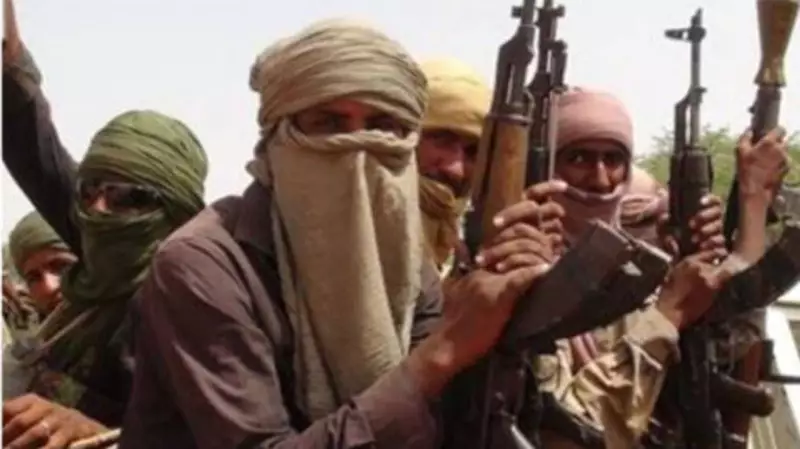
The security expert painted a grim picture of Nigeria's current security landscape, noting that insecurity has transformed into a multi-front conflict involving:
- Widespread banditry
- Mass abductions
- Extremist attacks
- Expressway kidnappings
- Cult violence
- Maritime crime
"From the Middle Belt to the North-West and the South-West highways, attacks now occur with frightening regularity," Dr Aliu observed, identifying intelligence failure as the core problem plaguing security operations.
Critical Need for Advanced Technology
The forensic expert explained that U.S. support through satellite feeds, signals interception, and real-time terrain monitoring would enable Nigerian security agencies to disrupt attacks before they occur. He highlighted the current limitations facing Nigerian forces, particularly their lack of adequate tools to operate effectively in forests and ungoverned spaces.
"We need long-endurance drones, thermal imaging and rapid-response mobility," Dr Aliu emphasized, noting that these technological capabilities are essential for modern security operations.
He also stressed the importance of U.S. training in several critical areas that could significantly strengthen Nigeria's national security capacity, including:
- Intelligence fusion techniques
- Hostage negotiation skills
- Cyber-tracking of criminal networks
- Ethical operations standards
Economic and Regional Consequences
The security crisis is having severe economic repercussions across Nigeria. "Farming belts have collapsed, schools are shutting down, investors are staying away, and businesses are budgeting for kidnapping risk," Dr Aliu revealed, painting a stark picture of how insecurity is crippling the nation's economy.
He further warned that Nigeria's instability is already affecting neighboring West African countries through refugee flows and arms trafficking, creating regional security concerns that extend beyond Nigeria's borders.
Addressing Sovereignty Concerns
Responding to concerns that U.S. cooperation might undermine Nigeria's autonomy, Dr Aliu offered a compelling perspective: "Sovereignty is not eroded by accepting support. It is eroded when violent groups control territory, and citizens lose trust in the state."
The security expert urged the Tinubu-approved team to negotiate clear terms in their engagement with U.S. officials, including:
- Well-defined command structures
- Human rights safeguards
- Long-term capacity transfer arrangements
Dr Aliu concluded with a sobering final warning: "Nigeria is running out of time. Delay at this stage would be a tragic mistake. We must move with urgency, clarity and purpose." His statement underscores the critical nature of the current security situation and the importance of immediate, decisive action.