The Iranian army has sworn to prevent the United States from forcefully reopening the Strait of Hormuz, with its spokesperson declaring that Iranian forces will not relent over the vital waterway. The statement comes amid escalating tensions between the two nations, including US airstrikes on Iranian cities and President Donald Trump's threat to seize control of the strait.
Iran's Defiant Stance on the Strait of Hormuz
“The Strait of Hormuz will never be opened by war, evil, and American aggression,” said Mohammad Akraminia, the army’s spokesperson. He insisted that “respecting the rights of the Iranian people is the only way to open the Strait.” Akraminia also noted, “We are obligated to avenge the blood of the martyrs, especially the martyred leader of the Islamic Revolution.”
The Strait of Hormuz remains a critical chokepoint for global oil supplies, with about 20 per cent of the world’s oil passing through it. Its closure during previous conflicts led to a 50 per cent increase in global oil prices, underscoring the high stakes of the current standoff.
Background of the Conflict
Iran and the US, as part of a Memorandum of Understanding, had agreed to reopen the Strait and allow free passage of ships for a 60-day period during which a final agreement would be reached. However, both sides have repeatedly accused each other of violating the agreement. Iran announced the waterway’s closure on Saturday morning over what it described as unauthorised transit. It also announced the next day that the passage remained suspended and that permits would be issued once “stability and calm” were restored.
US Attacks and Threats
Akraminia’s comment comes shortly after the US again attacked Iran overnight. US missiles and drones struck cities across Iran, including Bushehr, Chabahar, Jask, Konarak, Abu Musa, and Bandar. The overnight attack was the third night of US attacks in a row, hitting a huge swath of the country, including an Iranian port, with video showing fire and smoke over cities.
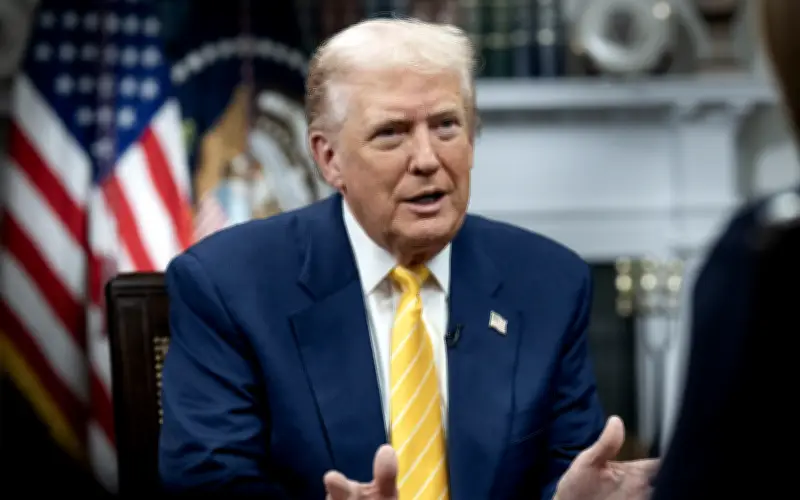
The comment is also a response to President Donald Trump’s threat to seize control of the Strait and have the US run it as its “guardian.” “We are taking over the Strait. They have nothing. They’ve got nothing,” Trump said on Monday.
Iranian Retaliation and Regional Impact
Iran, retaliating, also launched new waves of strikes towards Gulf states, including Bahrain, Kuwait and Jordan. Al Jazeera reports that the Jordanian air defence systems shot down four missiles fired from Iran overnight.
Meanwhile, the US blockade on Iran is set to resume later today. Trump had said the American military would be “stopping Iran’s ships or customers from entering or leaving” the Strait of Hormuz. Despite Iran’s closure of the waterway, Trump said, “Hormuz Strait is open, and will remain open, with or without Iran.”
Economic and Strategic Implications
Trump also announced that the US will impose a 20 per cent cargo charge on all other vessels, on the grounds that the US deserved reimbursement for controlling the vital waterway. “The U.S.A… will be reimbursed, at the rate of 20 per cent on all cargo shipped, for any costs all to do the job of providing safety and security to this very volatile section of the World,” he said.
The Strait of Hormuz remains at the heart of the US-Iran conflict, with both sides taking increasingly aggressive stances. The closure and potential reopening of the waterway have significant implications for global oil markets and regional stability.