Nigeria has expressed readiness to leverage the €59 million West Africa Sustainable Ocean Programme (WASOP) to intensify efforts against illegal, unreported and unregulated (IUU) fishing, while strengthening the sustainable management of its marine resources. The Federal Government has also sought increased technical assistance from the European Union (EU), particularly in surveillance systems, fisheries monitoring, and enforcement capacity, to bolster Nigeria’s ability to curb IUU fishing across the Gulf of Guinea.
Minister Highlights Cooperation with EU
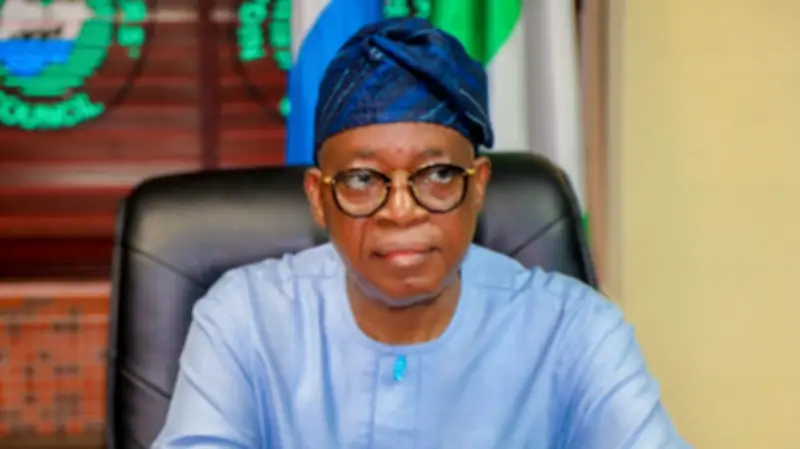
The Minister of Marine and Blue Economy, Dr. Adegboyega Oyetola, disclosed this in Abuja during a meeting with the EU Ambassador to Nigeria, Gautier Mignot, where both sides reaffirmed their commitment to deepening cooperation on maritime security and sustainable ocean governance. In a statement signed by the Special Adviser to the Minister, Dr. Bolaji Akinola, Oyetola commended the EU for its longstanding partnership with Nigeria, particularly its support for maritime stability in the Gulf of Guinea, a region critical to global shipping and regional economic development.
He noted that WASOP presents a timely opportunity to strengthen coordinated action against illegal fishing, improve ocean governance, and promote sustainable exploitation of marine resources across West Africa. Oyetola said Nigeria is keen to fully engage with the programme to attract technical and financial support that will enhance enforcement capacity and advance the country’s blue economy ambitions.
Threat of Illegal Fishing
He stressed that illegal fishing remains a major threat to marine ecosystems and coastal livelihoods, warning that IUU fishing continues to deplete fish stocks, undermine food security, and erode the economic wellbeing of coastal communities. “Illegal, unreported, and unregulated fishing is a direct threat to national security, food sovereignty, and the survival of our coastal communities. We cannot afford to stand by and watch our marine ecosystems depleted and economic livelihoods eroded. We are calling for stronger international collaboration, backed by robust monitoring and uncompromised enforcement systems, to permanently dismantle these illicit operations and safeguard our waters,” he said.
Reforms in Maritime Sector
Oyetola also highlighted ongoing reforms in Nigeria’s maritime sector under the National Policy on Marine and Blue Economy, which prioritises innovation, private sector investment, and sustainable development of ocean resources. He referenced key milestones in the sector, including improvements in port operations and logistics, as well as enhanced maritime security, while noting that Nigeria is strengthening initiatives to expand maritime infrastructure and improve global trade competitiveness.
The minister further called for broader cooperation beyond piracy control, urging development partners to support Nigeria in addressing environmental crimes, human trafficking, and illegal fishing in a more integrated and coordinated manner.
EU's Commitment
Speaking earlier, the EU Ambassador reaffirmed the European Union’s commitment to strengthening maritime cooperation with Nigeria and supporting regional efforts to ensure safer and more sustainable oceans. Mignot highlighted WASOP, a major EU-funded initiative designed to promote integrated ocean governance, sustainable fisheries management, and protection of coastal and marine ecosystems across West African countries. According to him, the programme will enhance coordination among coastal states, strengthen enforcement mechanisms, and promote a more inclusive and sustainable blue economy in the region.