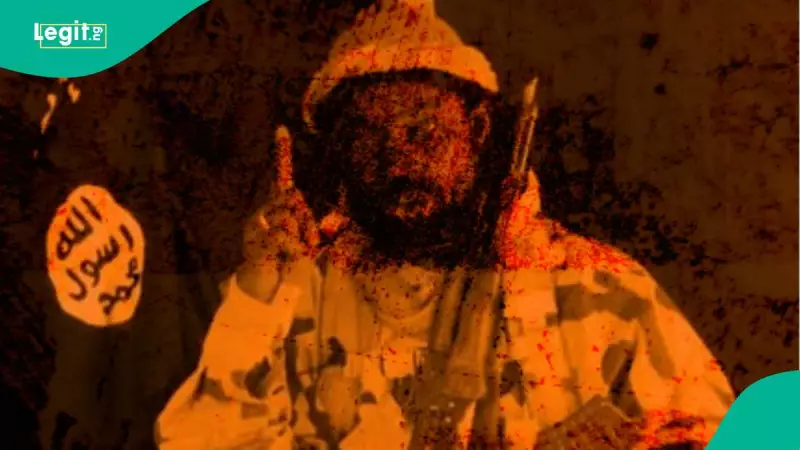
Boko Haram Leader's Hidden Chapter in Kano Exposed
A groundbreaking investigative report by journalist Ahmad Salkida has uncovered a previously unknown period in the life of Aboko Haram leader Abubakar Shekau, revealing how the notorious terrorist secretly resided in Kano while concealing his true identity.
The investigation details how Shekau adopted the pseudonym "Alhaji Garba" during his stay in Nigeria's northern commercial hub, effectively hiding from security forces who were actively searching for him.
The July 2009 Police Assault and Aftermath
According to the report, Shekau sustained serious injuries during a night assault on Police Headquarters on July 27, 2009. The violent confrontation left Shekau with a gunshot wound that tore through his thigh, forcing him to retreat from public view to recover.
Salkida's investigation reveals that Shekau was transported from Maiduguri to Kano for medical treatment, where he was admitted to an Orthopaedic Hospital. The Boko Haram leader spent several months recuperating, initially in hospital care and later in a rented residence located in the Rijiyan Zaki area of Kano metropolis.
Life Under False Identity
During this critical recovery period, Shekau completely concealed his identity from neighbors and strangers alike. The investigative work states that "this was when he adopted a pseudonym - Alhaji Garba hiding his true identity from neighbours and strangers".
This revelation provides rare insight into how the wanted terrorist leader managed to operate undetected in plain sight, even as security forces intensified their efforts to locate him. The account shows Shekau's reliance on secrecy and disguise during a pivotal moment in Boko Haram's history.
The report, published by Humangle Media, offers fresh perspective on Shekau's movements during 2009, a period that marked significant development in the group's insurgency campaign across northern Nigeria.
Boko Haram, officially known as Jamāʿat Ahl al-Sunna lil-Daʿawah wa al-Jihād, originated in Nigeria in 2002 under Mohammed Yusuf's leadership. Following Yusuf's death in 2009, Shekau assumed control of the organization, dramatically escalating its violent campaign through bombings, kidnappings, and attacks that have displaced millions and caused thousands of deaths across Nigeria and neighboring countries.