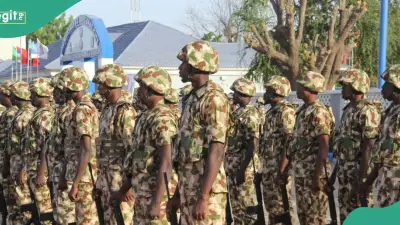
The Nigerian Army is currently conducting the 91 Regular Recruits Intake for tradesmen and women. In light of this, the Federal Government, particularly the Defence Headquarters, must take strategic action to drastically reduce, if not end, the vulnerability of military personnel to attacks and killings by terrorists and hardened criminals, especially in northern Nigeria. This necessity has become crucial to prevent young Nigerians from perceiving the military profession as a death sentence and becoming reluctant to join the armed forces due to the frequency of security personnel deaths in the ongoing war against terrorists.
There is no doubt that the military has dealt decisive blows to terrorists in its resolve to end insurgency. However, the extermination of terrorists does not impact ordinary citizens as much as the killing of courageous soldiers. While wars, especially against insurgency, normally cause casualties on both sides, many believe that terrorists would not have succeeded in killing soldiers if certain steps had been taken, including the use of technology to track terrorist movements and uncover ambush plans. It is also believed that there are moles within the army working for terrorists and undermining military operations.
Some experts have stated that the ease with which the country loses security operatives to terrorist attacks signals a weakness in the security architecture. This is distressing and certainly not good for the military's image; it portends the possibility of more Nigerians becoming vulnerable to the callous actions of terrorist groups. This unfortunate situation must be reversed quickly to encourage serving military personnel and new recruits.
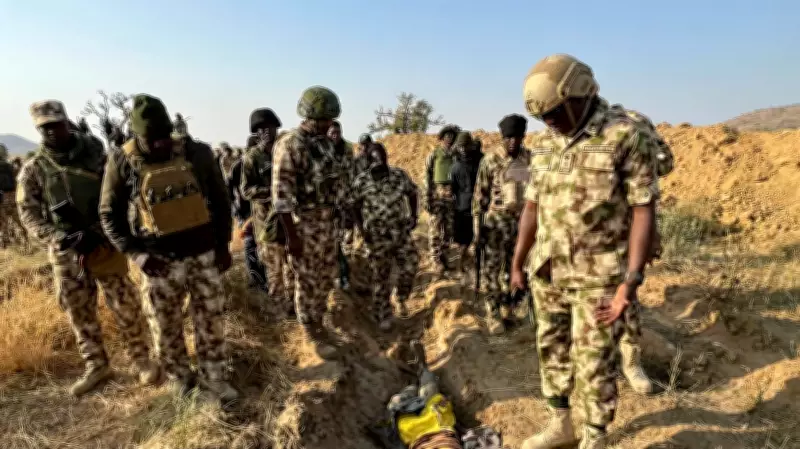
According to the army's advertisement, the current recruitment runs from March 30, 2026, to May 27, 2026, with applications being free and submitted online as directed by military authorities. Recently, media reports indicated the killing of at least 11 soldiers and a police officer in an ambush by terrorists in the Giro Musa community, Shanga Local Government Area of Kebbi State. The incident occurred when security operatives traced terrorists to a construction company's yard following a tip-off. The soldiers deployed to secure the site and the police officer were ambushed and killed. Governor Nasir Idris, who visited the Accident and Emergency Unit of the Federal Teaching Hospital, Birnin Kebbi, where the victims were admitted, described the attack as unfortunate and barbaric.
There was also a chilling report that a series of assaults on military formations and highways across Borno and Adamawa states left at least 56 soldiers dead and 28 others seriously injured between January and March this year. A breakdown of these killings indicates that on January 4, terrorists ambushed troops along the Damasak–Kareto road, killing six soldiers and wounding five others. On January 19, a suicide bomber hit the notorious Timbuktu Triangle, killing five soldiers. On January 23, eight soldiers were killed in Damasak town, and another five were killed in Wajirko village along the Maiduguri–Damboa–Biu road on January 29.
Further reports indicated that six soldiers were killed on February 6 in Auno, near Jakana. Ten days later, terrorists attacked a military base in Cross Kauwa village, Baga Local Council, murdering eight soldiers and wounding 23 others. In Adamawa State, three soldiers were killed at Garaha military base in Hong Local Government Area on February 24. Four days later, four more soldiers were killed at Mayanti base in Bama Local Government Area of Borno State. On March 4, nine soldiers were killed in the Ngoshe community, Gwoza Local Government Area, and another soldier was killed in Konduga on March 6. Three days later, on March 9, terrorists struck Kukawa Local Council again, killing one soldier.
These killings tend to overshadow the many battles that the army has fought and won against the insurgents. Being a soldier is very stressful, and the military profession is replete with serious risks, including extreme dangers. A common challenge is the physical danger that security personnel face in combat zones, including injury and death from enemy fire, explosives, and environmental hazards. Soldiers are defenders of Nigeria against external aggression and maintainers of territorial integrity, among other tasks. However, soldiers are also citizens with families and life ambitions. Like every other citizen, the constitution is against killing them unjustly. They deserve to live, and it is possible to ensure that they live despite having chosen a profession that exposes them to danger and death. That fact is all the more reason they should be specially protected from the enemy.
The country is not safe when the army is easily vulnerable. It is therefore not acceptable to hold, as some political leaders do, that the killings are politically motivated and that the madness would end after the coming elections. Such argument is unfortunate and amounts to callous disregard for human life, the same crime terrorists are perpetrating. The failure of the country's leaders to give effect to the constitutional declaration of security and welfare as the primary purpose of government is becoming more palpable. It is very disappointing.
The Nigerian Army must never be allowed to be humiliated and overwhelmed. The routine killing of soldiers reduces the country's integrity and puts soldiers' families in everlasting sorrow, apart from stoking the fear of anarchy that can jeopardize Nigeria. To prevent this, the government must wake up to its constitutional responsibility of ensuring the safety of life and property in the country. It is despicable that the country is at a point where every armed group is daring the government, launching savage attacks on troops and defenseless civilians, and getting away with heinous crimes. This terrifying situation is capable of making young Nigerians shun the performance of crucial civic responsibilities, including recruitment into the military, no matter what juicy remuneration they are promised. Insurgency of any type must be fully addressed and criminals stopped. This is the way to protect soldiers from routine slaughtering, and this is what can guarantee a united and peaceful Nigeria in the future.