The United Nations and its partners are intensifying relief operations in Venezuela following the catastrophic earthquakes that struck on 24 June, while also supporting the government-led response to the ensuing humanitarian crisis. UN spokesperson Stéphane Dujarric confirmed the ongoing efforts during a news conference at UN headquarters in New York on Monday.
Two Quakes Strike Seconds Apart
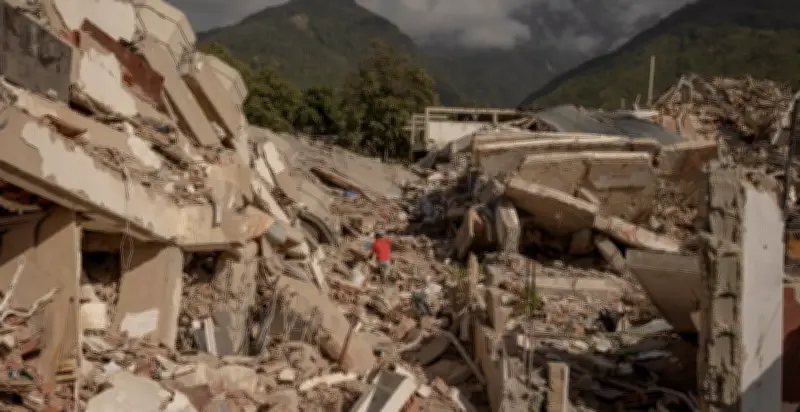
Two powerful earthquakes, measuring 7.2 and 7.5 in magnitude, hit north-central Venezuela on 24 June, occurring just 39 seconds apart. The back-to-back tremors caused widespread devastation across the region, with the capital Caracas and surrounding areas among the worst affected.
According to a preliminary assessment by the UN Office for Disaster Risk Reduction (UNDRR), direct physical damage to housing and infrastructure is estimated at approximately $37 billion. This includes about $24 billion in damage to homes, businesses, schools, hospitals, and other public facilities. An additional $13 billion covers damage to infrastructure, with telecommunications suffering losses of about $5 billion, ahead of energy facilities and road networks.
Economic Impact Expected to Rise
The assessment relies on risk modelling rather than field inspections and excludes wider economic losses, disrupted services, emergency costs, and future reconstruction expenses. UN officials have warned that the overall economic impact is therefore expected to increase significantly as more data becomes available.
The UN Children's Fund (UNICEF) estimates that approximately 650,000 people, including 234,000 children, require urgent humanitarian assistance. Around one-third of schools across the Capital District, including Caracas, sustained damage, disrupting education for thousands of pupils.
UNICEF Deploys Emergency Teams
UNICEF has deployed emergency teams and delivered 68 tonnes of relief supplies, including medical materials, water, sanitation equipment, and essential household items. The agency has appealed for $52 million to expand healthcare, nutrition, safe water, child protection, and education services for affected families.
Meanwhile, the UN Office for the Coordination of Humanitarian Affairs (OCHA) reported that search-and-rescue operations continue across the worst-hit communities. Medical personnel, engineers, and other specialist teams are arriving, while a humanitarian needs assessment is nearing completion. This assessment will guide an updated response plan and determine additional funding requirements for relief operations.
Death Toll and Displacement
Government figures show more than 3,340 people have died, over 16,740 were injured, and approximately 17,000 residents remain homeless. At least 79 temporary camps have been established in stadiums and sports centres to shelter displaced residents and distribute humanitarian assistance. UN agencies are already operating in three camps while assessing additional locations requiring support.
“The authorities in Caracas are leading the response, focusing on supporting displaced people and addressing urgent humanitarian needs,” Mr Dujarric said. Health partners are providing primary healthcare, mental health support, psychosocial care, and sexual and reproductive health services where necessary.
Water and Sanitation Improving
Humanitarian officials said access to safe water and sanitation continued improving through hygiene kit distributions and expanded sanitation facilities at temporary shelters. The Humanitarian Response Plan for Venezuela has received $274 million, along with more than $32 million from private-sector donors and additional in-kind contributions.