CAF Secretary General Resigns Amid AFCON 2025 Title Controversy
The Confederation of African Football (CAF) has been plunged into further turmoil with the resignation of Secretary General Veron Mosengo-Omba, coming just days after the governing body controversially stripped Senegal of the 2025 Africa Cup of Nations title.
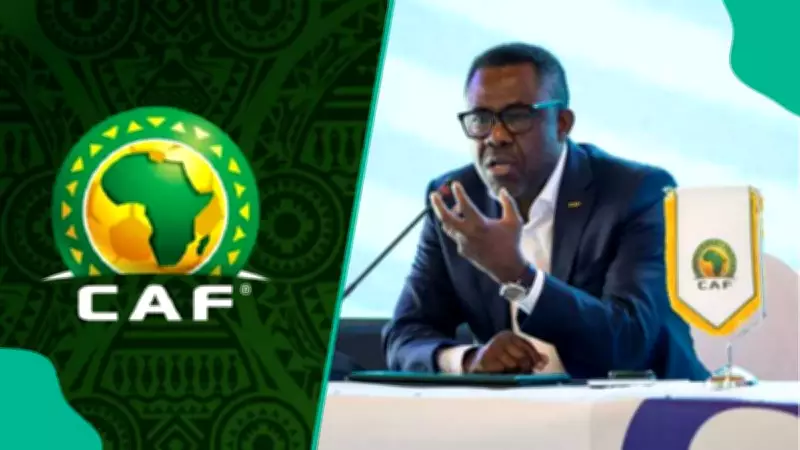
Mosengo-Omba's departure was confirmed through an official statement released from CAF headquarters in Cairo, marking the end of his tenure as the organization's top administrator. The resignation occurred during a key executive committee meeting, suggesting significant internal pressure had been mounting against his continued leadership.
Timing Linked to AFCON Decision
The timing of this resignation has intensified speculation about its connection to CAF's highly controversial decision regarding the AFCON 2025 championship. According to reports, CAF recently overturned Senegal's victory in the tournament final, awarding the title instead to Morocco after ruling that Senegal forfeited the match by walking off the pitch during a critical moment.
The official result was recorded as a 3-0 victory for Morocco, completely reversing Senegal's hard-fought 1-0 extra-time win. This decision has sparked widespread backlash across the African football community and beyond, with Senegal already filing an appeal with the Court of Arbitration for Sport (CAS) to challenge the ruling.
Internal Pressure and Governance Issues
Reports indicate that Mosengo-Omba's resignation was not entirely unexpected, as members of CAF's Executive Committee had reportedly been prepared to push for his removal if he failed to step aside voluntarily. The Congolese football administrator had faced increasing scrutiny for remaining in his position beyond CAF's mandatory retirement regulations.
Under CAF rules, staff are expected to retire at age 63, with only limited extensions permitted. Mosengo-Omba's continued stay beyond this period raised significant concerns among stakeholders about transparency and accountability within the organization's leadership structure.
Sources within CAF described the internal atmosphere as increasingly strained, with growing dissatisfaction over various leadership decisions and administrative practices. Allegations of favoritism and questions about key appointments had further contributed to the mounting tension within African football's governing body.
Defending His Legacy
In his resignation statement, Mosengo-Omba cited a desire to focus on personal projects after decades in football administration. "I have decided to step down... to devote myself to more personal projects," he stated, while also defending his time in office.
The outgoing secretary general pointed to several achievements during his tenure, including increased commercial revenue for CAF and structural reforms aimed at improving African football administration. Despite the controversies surrounding his departure, Mosengo-Omba maintained that his leadership had brought positive developments to the organization.
Senegal's Defiant Response
Meanwhile, Senegal has responded defiantly to CAF's decision regarding the AFCON 2025 title. Senegal coach Pape Thiaw has delivered a firm message insisting that his team remains the rightful champions despite CAF's ruling. This statement came before Senegal paraded the AFCON trophy in front of thousands of fans at the Stade de France in Paris, a bold show of defiance amid the ongoing legal battle over the title.
The Teranga Lions' public display of the trophy they believe they rightfully won has further complicated the controversy, highlighting the deep divisions and strong emotions surrounding CAF's decision.
Broader Implications for African Football
This latest development adds to what has become a significant crisis for African football governance. Critics argue that the AFCON ruling has damaged the credibility of the continent's premier football tournament and raised further questions about governance within CAF.
Mosengo-Omba's close working relationship with FIFA President Gianni Infantino had also drawn scrutiny in the past, with some observers questioning external influence in CAF's operations. The combination of these factors has created what many see as a perfect storm of controversy and instability at the highest levels of African football administration.
As CAF navigates this turbulent period, the organization faces mounting pressure to address governance concerns while managing the fallout from the AFCON 2025 decision. The outcome of Senegal's appeal to CAS and the search for Mosengo-Omba's successor will be closely watched by football stakeholders across Africa and beyond.