CAF's Controversial AFCON 2025 Decision: A Historic Reversal
In a move that has sent shockwaves through the football world, the Confederation of African Football (CAF) has made an unprecedented decision to strip Senegal of their 2025 Africa Cup of Nations (AFCON) trophy and award it to Morocco, the team that lost the final match on January 18, 2026. This verdict, delivered two months after Senegal were crowned champions, has been met with widespread condemnation and disbelief from fans, players, and analysts globally.
The Unfolding Drama of the AFCON Final
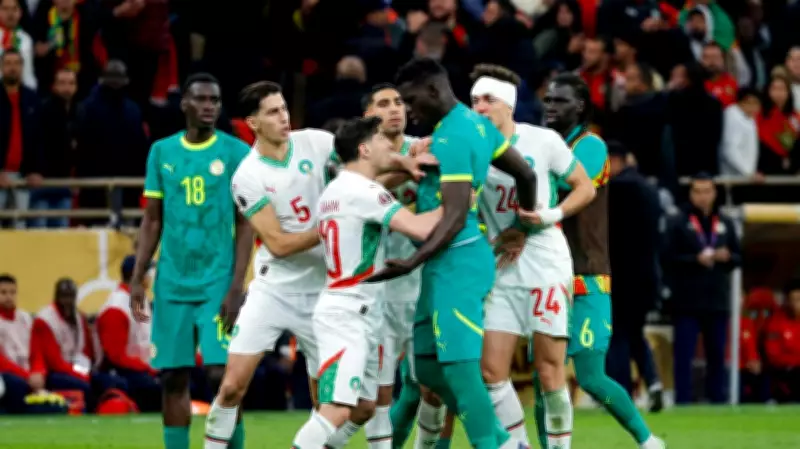
The controversy stems from the dramatic events during the AFCON 2025 final. With only a few minutes left in regulation time, Morocco were awarded a penalty kick. In protest, the Senegalese team walked off the field, returning to their dressing room for a total of 17 minutes, exceeding the 15-minute maximum allowed before a referee must end the match. According to CAF and FIFA regulations, such an unauthorized walk-out results in an automatic forfeiture of the match, typically with a 3-0 loss and potential additional penalties.
Despite this, the match resumed after 17 minutes, with Senegal's captain, Sadio Mane, urging his teammates to return. Morocco missed the penalty, and Senegal scored an additional goal, securing their victory. The trophy was presented by the presidents of CAF and FIFA in front of a global audience, and Senegal celebrated their triumph nationwide.
The Appeals Committee's Bombshell Verdict
Two months later, CAF's Appeals Committee released a verdict that overturned the result. This decision followed a petition by the Moroccan Football Federation, which alleged a breach of regulations by Senegal during the match. Initially dismissed by CAF's Disciplinary Committee, the appeal was re-examined, leading to the reversal. The committee found merit in the petition, ruling that Senegal's walk-out violated rules, thus forfeiting the match to Morocco.
This decision is unprecedented in football history, as it involves reversing the outcome of a championship final long after the trophy was awarded. Critics argue that it undermines the referee's authority on the field, where decisions are typically considered final. The global football community has expressed outrage, labeling the move as insensitive and unjustifiable.
Examining the Rules and Precedents
CAF and FIFA regulations are clear: teams that walk off the pitch without authorization forfeit the match. However, the application of this rule in a final has sparked debate. In other contexts, such as qualifiers or Olympic events, reversals due to rule infringements are more common. For instance, Nigeria has benefited from petitions in past qualifiers, and Olympic medals have been stripped months or years after events due to violations.
Yet, the AFCON 2025 case is unique because it involves a championship final with no time for immediate investigations. Some argue that once the match resumed and concluded, the result should stand, with any infringements addressed through sanctions rather than trophy reversal. This highlights a gap in regulations for handling such incidents in high-stakes finals.
The Broader Implications for Football
CAF's decision raises critical questions about the integrity of football governance. If applied consistently, rules must be enforced without fear or favor, regardless of the match's significance. However, the timing and optics of this verdict have damaged CAF's reputation, with many calling for a review of regulations to prevent similar controversies in the future.
As the debate continues, there is a growing call for CAF to reverse its decision and restore Senegal's victory, emphasizing that the referee's on-field actions should remain final. This incident serves as a stark reminder of the need for clarity and fairness in sports regulations, ensuring that the beautiful game remains rooted in justice and transparency.