DR Congo Stands Firm Behind AFCON 2025 Final Officials
The Democratic Republic of Congo has taken a definitive stance in the ongoing controversy surrounding the 2025 Africa Cup of Nations final, publicly expressing support for its match officials who presided over the tumultuous championship match. This development comes as Morocco intensifies its campaign for sanctions against the referees, creating a significant diplomatic and sporting rift within African football.
Federation's Unwavering Support for Match Officials
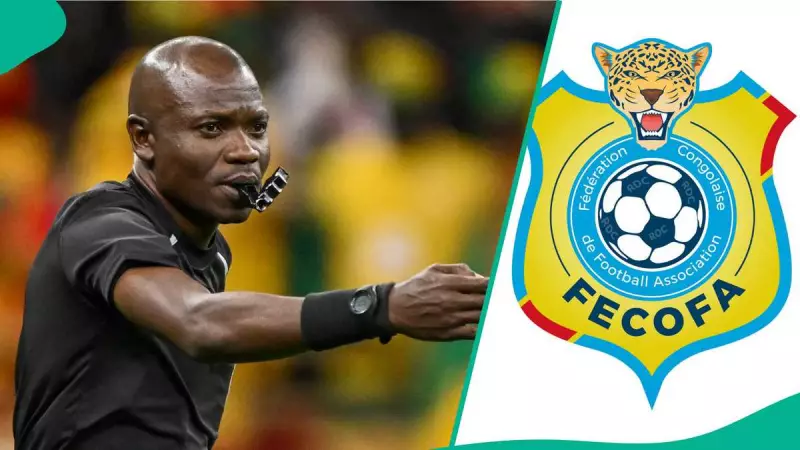
The DR Congo Football Federation, known as FECOFA, issued a formal statement through its President, Belinda Luntadila Nzuzi, extending unequivocal support to the officiating team led by center referee Jean-Jacques Ndala. The federation praised what it described as their exemplary professionalism and technical mastery throughout the tournament, particularly during the high-pressure final match held at Prince Moulay Abdellah Stadium on January 18, 2026.
In their official communication, FECOFA highlighted several key attributes of the officiating team:
- Tenacity and integrity demonstrated throughout the 35th edition of AFCON
- Rigorous match management under considerable competitive pressure
- Technical excellence that honored Congolese refereeing traditions
- Composure that maintained the dignity of their national representation
Morocco's Persistent Calls for Official Sanctions
Contrasting sharply with DR Congo's supportive position, Morocco continues to pursue formal sanctions against the match officials through multiple channels. The Moroccan Football Federation has formally petitioned both CAF and FIFA, alleging that referee decisions significantly influenced the match outcome. Their complaints specifically target:
- Perceived favoritism toward the host nation during critical match moments
- Alleged failure to properly manage the chaotic final minutes
- Questionable communication with VAR officials during key decisions
- The overall handling of Senegal's temporary walk-off protest
The Moroccan federation has reportedly indicated it will pursue legal actions against Senegal for their on-field protest, which they claim unduly influenced the match's conclusion. Furthermore, they are advocating for Senegal to be stripped of their championship title, arguing that the officiating compromised the integrity of the competition.
Controversial Final and Divided Reactions
The AFCON 2025 final between Senegal and host nation Morocco descended into chaos that has since overshadowed the Teranga Lions' victory. CAF had appointed an experienced DR Congo officiating team consisting of center referee Jean-Jacques Ndala, assisted by compatriots Guylain Bongele Ngila and Gradel Mwanya Mbilizi. This selection drew immediate scrutiny, particularly since Ndala had previously officiated Morocco's opening match against Comoros.
Social media reactions have revealed deep divisions among football fans across the continent. Senegalese supporters have been particularly vocal in their criticism, with many describing the refereeing performance as a disgrace to African football. One prominent commentator noted that the officiating team failed to recognize the difference between managing a group stage match and handling a high-stakes continental final.
Conversely, DR Congo supporters have rallied behind their officials, viewing the criticism as unfair targeting of their nation's football reputation. This polarization reflects broader tensions within African football governance and the challenges of maintaining impartiality in high-pressure tournament situations.
Broader Implications for African Football
This controversy extends beyond the immediate match outcome, touching on several critical issues for African football development:
- The independence and quality of match officiating in continental competitions
- Protocols for handling match protests and disciplinary actions
- Relationships between national federations and continental governing bodies
- Public confidence in the fairness of major tournament outcomes
As CAF prepares to rule on Morocco's formal petition, the football community awaits a decision that could set important precedents for how similar controversies are handled in future tournaments. The outcome may influence everything from referee selection processes to protest management protocols across African competitions.
Meanwhile, reports have emerged that the match officials themselves appreciated the intervention of Senegalese captain Sadio Mane, who reportedly helped avert further chaos between the teams after the final whistle. This detail adds another layer to the complex narrative of a final that continues to generate discussion and debate across the football world.