Nigerian Man Raises Questions About AFCON Trophy After Senegal's Title Reversal
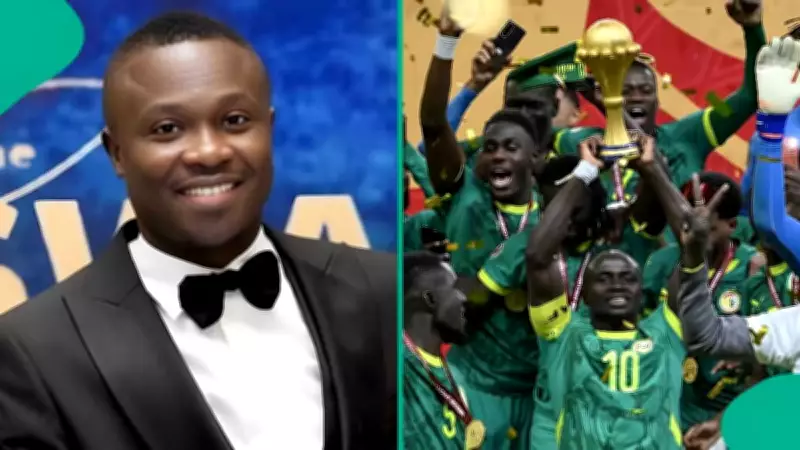
A Nigerian man has sparked widespread discussion across social media platforms after questioning the fate of the Africa Cup of Nations trophy following the controversial decision to strip Senegal of their 2025 championship title. The viral conversation emerged after the Confederation of African Football overturned Senegal's victory in the tournament hosted by Morocco.
Social Media Query Goes Viral
The discussion began when X user @SaddickAdams posted a thought-provoking question that quickly gained traction online. "So will Senegal return the AFCON trophy back to Morocco themselves or CAF will send an official to go for it in Dakar??" he asked, highlighting the practical implications of the championship reversal that has left football fans across the continent divided.
This query came after reports confirmed that Senegal, who had initially been presented as winners of the 2025 African Cup of Nations tournament in Morocco, had their championship status officially revoked by continental football authorities. The unexpected decision has created confusion not only about the competition's outcome but also about the proper procedures for handling the physical trophy.
Football Community Reacts Strongly
The viral post generated significant engagement from football enthusiasts who shared diverse perspectives on the matter. Many users expressed concerns about the precedent being set and questioned the fairness of the decision-making process.
One user named Dery commented: "So assuming that this happened during the semis. Will they have called the other countries to come and replay the rest of the tournament. Aahh CAF."
Another user named Noel raised practical concerns: "Why is no one talking about the bets played that day, they have to credit people who play straight win for Morocco."
Koffben added: "So the ppl who stake Morocco to win the trophy and lost how are they going to pay them?"
Passionate Defense of Senegal's Position
Some reactions demonstrated strong emotional investment in the controversy, with one user named Shatta offering particularly passionate commentary: "Senegal should keep the damn trophy & tell CAF to send whoever they want to Dakar but warn the fool not to return alive. Morocco didn't win sh*t on the pitch, they cried like babies after losing 1-0 & got the North African mafia at CAF to gift them the title months later. Pure robbery! Senegal are the REAL 2025 champions, Lions of Teranga forever."
This sentiment reflects the deep divisions within the African football community regarding the decision, with some viewing it as an unfair reversal that undermines the integrity of the competition.
Support for CAF's Decision
Not all reactions were critical of the football governing body. Some users expressed support for CAF's enforcement of regulations, with one user named Yo stating: "Finally i see CAF imposing law and discipline!! No more drama and mind games in AFCON from now on. Read the rules or you will get punished."
Another user named Phil offered a more measured perspective: "Funny right? Football lovers on the continent should be asking genuine questions. Who really influenced this decision? Since when did CAF decide to be afix to rules even when they are alarming and why? Very terrible news for AFRICA this month."
Broader Implications for African Football
The controversy extends beyond the immediate question of trophy retrieval to touch on fundamental issues of fairness, protocol, and governance in African football. The situation has highlighted how administrative decisions can create practical challenges that capture public imagination and spark broader conversations about sports management.
As the discussion continues to unfold across social media platforms and football communities, the central question remains unanswered: What exactly happens to a championship trophy when a victory is officially reversed months after the tournament concludes? This unusual situation has created a unique moment of reflection about the intersection of sports administration, fan engagement, and the symbolic importance of physical trophies in football culture.