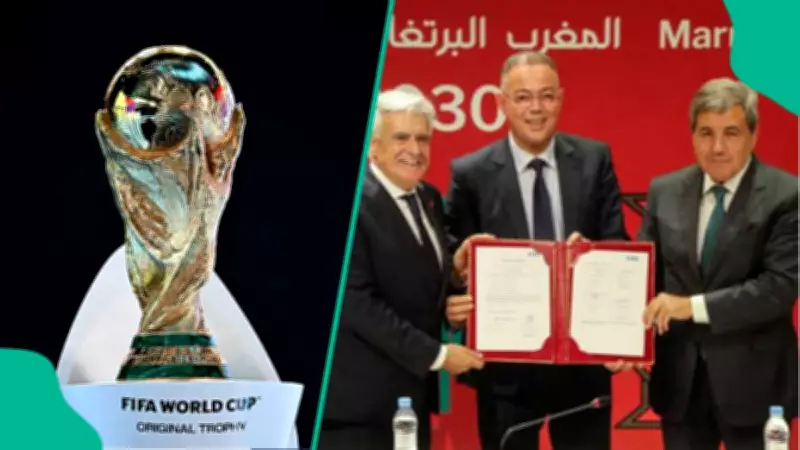
In a significant development for global football, Morocco has been stripped of the opportunity to host the 2030 FIFA World Cup final, with Spain confirmed as the new host for the tournament's showpiece match. This decision follows the controversial events that marred the 2025 Africa Cup of Nations final held in Morocco.
Why Morocco Lost the Prestigious Final
Morocco had been widely anticipated to host the 2030 FIFA World Cup final, representing a historic milestone for the North African nation. The country's modern stadiums, advanced infrastructure, and passionate football culture positioned it as a strong candidate for this prestigious event. As a joint host of the 2030 World Cup alongside Spain and Portugal, Morocco seemed poised for a central role.
However, the dramatic 2025 Africa Cup of Nations final between Morocco and Senegal has fundamentally altered these plans. According to reports from Africa Top Sports, the final was overshadowed by widespread protests, unsporting behavior, and significant touchline chaos that drew sharp criticism from international observers.
FIFA's Response to AFCON Chaos
International football analysts described the incidents during the AFCON final as damaging to the reputation of world football. Reports indicate that FIFA and the co-hosting committees took serious notice of these events and conducted a comprehensive reassessment of Morocco's readiness to host a match of such global magnitude.
Rafael Louzán, President of the Spanish Football Federation, confirmed Spain's new role as host of the 2030 World Cup final, emphasizing Spain's proven track record in organizing major international tournaments. "The final will be played here. Spain has demonstrated its organizational capacity," Louzán stated in an interview with BBC Sports. He further noted, "We have seen scenes during the African Cup final that hurt the image of world football."
Spain Secures the Final Hosting Rights
This strategic decision reflects FIFA's paramount priority on ensuring a safe, secure, and globally respected environment for the tournament's most important match. While Morocco's football facilities remain world-class and impressive, the controversies surrounding AFCON 2025 appear to have decisively tipped the scales in favor of Spain's bid.
The Confederation of African Football (CAF) had previously announced sanctions against both Morocco and Senegal following the chaotic scenes during the January 18 AFCON final. Although Senegal emerged victorious, lifting their second AFCON trophy after a 1-0 victory in 120 minutes, the match's conclusion was soured by the disruptive incidents that unfolded.
Morocco's Continued Role as Co-Host
Despite losing the hosting rights for the final, Morocco will maintain a central and significant role as a co-host of the 2030 World Cup alongside Spain and Portugal. The North African nation has constructed several new, state-of-the-art stadiums specifically for the tournament and will stage numerous matches throughout the competition.
This continued involvement provides Morocco with a valuable platform to showcase its stadium infrastructure, vibrant fan culture, and organizational capabilities on the world stage. Football analysts note that while missing out on hosting the final represents a substantial setback, co-hosting the entire tournament still offers Morocco a major opportunity to solidify its position within global football.
Lessons and Future Implications
The situation presents Morocco with a crucial opportunity to demonstrate lessons learned from the AFCON 2025 controversies. Key areas requiring attention include improved crowd management protocols, more effective handling of referee disputes, and enhanced overall tournament control mechanisms.
For Moroccan football authorities, FIFA's message appears clear: maintaining a disciplined, professional, and secure environment will be absolutely critical to boosting the nation's global football reputation and securing more prominent roles in future international events.
Morocco's journey toward the 2030 FIFA World Cup remains historically significant, but the decision to relocate the final to Spain underscores the lasting impact that on-field controversies and off-field chaos can have on a nation's football aspirations. While co-hosting provides another chance to impress the international community, Moroccan organizers must now focus intensely on delivering a flawless tournament experience to safeguard and enhance the country's football legacy for generations to come.