From Glory Days to Humiliating Exit: Nigeria's Football Crisis
The Nigerian national football team, once celebrated as Africa's giant and ranked fifth globally by FIFA in 1994, has suffered one of its most devastating defeats in recent history. The Super Eagles crashed out of the 2026 World Cup qualifiers following a catastrophic performance against DR Congo, marking the second consecutive time Nigeria will miss the world's biggest football tournament.
This elimination represents a dramatic fall from grace for a nation that during the 1990s revolutionized African football and earned global respect. European and South American teams that previously refused to play African nations eagerly sought matches with Nigeria, including England hosting the Super Eagles at Wembley Stadium in 1995.
The Golden Era of Nigerian Football
During Nigeria's football renaissance, the country developed a distinctive playing style that combined British roots, Brazilian influences from the late 1970s and early 1980s, and exposure to European football in the early 1990s. This unique blend created an exciting, attacking football characterized by speed, power, and flamboyant showmanship that captivated global audiences.
The legendary Brazilian footballer Pele and England's first manager Walter Winterbottom were so impressed they predicted an African country, particularly Nigeria, would win the World Cup before the turn of the century. While this prophecy didn't materialize, it reflected the immense respect Nigerian football commanded globally.
The Crushing Defeat Against DR Congo
Last week's qualifying matches exposed the current state of Nigerian football. The Super Eagles played two crucial matches that would determine their World Cup fate. After a grueling first match that lasted nearly two and a half hours including extra time and stoppages, the fatigued team faced DR Congo days later.
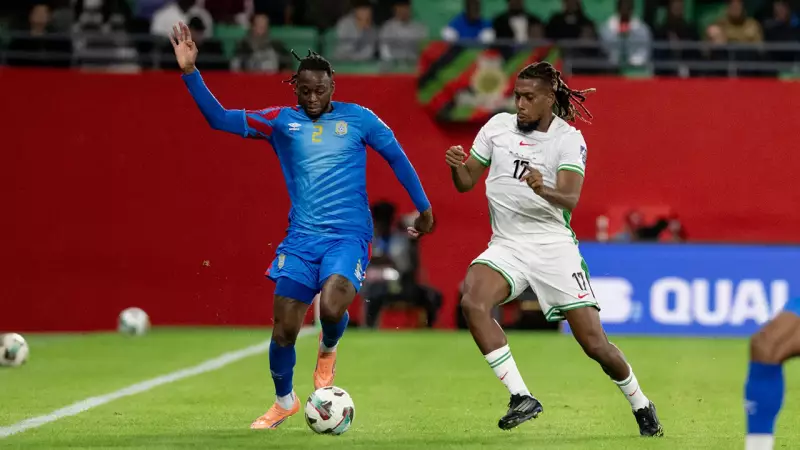
What followed was a performance veteran journalist Segun Odegbami described as "shambolic" and "catastrophic." Despite Nigeria boasting the highest number of African-descent players in top global leagues and having the two best African players of the past two years, the Congolese dominated every aspect of the game.
The Congolese players were faster to every ball, maintained better possession, created more scoring opportunities, and made the Super Eagles appear completely outclassed. Nigeria's performance lacked the creativity, energy, and pattern that characterized their golden era, with players showing obvious fatigue and inability to execute basic football techniques.
Root Causes and Path Forward
The elimination highlights systemic failures in Nigerian football governance. Odegbami points to a failed system sustained by a cabal that has maintained power through an illegal, faulty constitution governing Nigerian football for the past 30 years. The solution requires breaking this stranglehold and freeing the game from mediocrity and political interference.
With the 2026 World Cup expanding to 48 teams and Africa receiving nine qualification spots, plus FIFA covering preparation costs and prize money approaching one billion dollars, this represented Nigeria's best opportunity in years to make a global impact. Instead, the dream has evaporated, bringing economic hardship to everyone in Nigeria's football industry.
The path to redemption requires urgent structural reforms, proper governance, and tapping into the wealth of experience from former gifted players currently excluded from football administration. Only then can Nigeria hope to fulfill the long-delayed prophecy of African World Cup glory and restore its position as a football powerhouse.