Moroccan Football Star Hakim Ziyech Blasts Referee Over Controversial Yellow Card Incident in CAF Confederation Cup
A prominent Moroccan football star has unleashed a scathing critique of an African referee following a highly contentious incident during a recent CAF Confederation Cup match. The controversy erupted during the crucial Group C encounter between Maniema Union and Wydad Casablanca on Sunday, February 1, 2026, at the Stade TP Mazembe in the Democratic Republic of Congo.
Match Details and Controversial Officiating
The match saw Maniema Union secure a hard-fought 2-1 victory over Wydad Casablanca, effectively ending Wydad's impressive three-match winning streak and intensifying the competition for qualification in Group C. The DR Congo side opened the scoring in the 33rd minute through Namboka, who executed a well-coordinated team move to give the hosts the lead. Maniema Union extended their advantage in the 61st minute when Wydad goalkeeper Mehdi Benabid unfortunately scored an own goal.
Wydad Casablanca responded five minutes later with Hamza Hannouri converting a penalty with a precise left-footed shot into the bottom right corner. Despite sustained pressure from the North African side during the closing stages of the match, Maniema Union managed to hold on to secure all three valuable points.
Ziyech's Explosive Reaction to Refereeing Decision
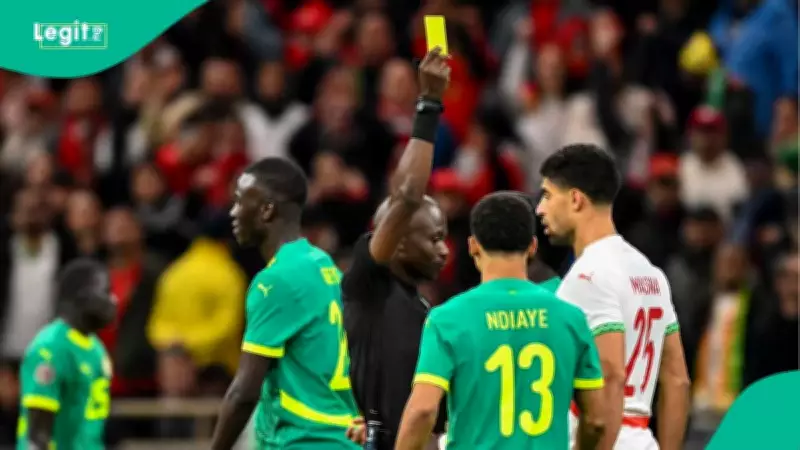
The real drama unfolded when Nigerien referee Ali Moussa made what many are calling a significant officiating error during the match. In a viral social media post on platform X, former Chelsea star and current Wydad Casablanca player Hakim Ziyech accused the referee of issuing two yellow cards to Nigerian international goalkeeper Detan Ogundare without subsequently showing the mandatory red card.
Ziyech alleged that the referee appeared to reverse his decision and instead flashed the yellow card to defender Exaucia Moanda. The Moroccan international expressed his frustration with the controversial decision through a pointed social media post that read: "Welcome to Africa... When you give a second yellow card to the goalkeeper and then act as if you gave it to the defender."
Football Community Reacts to Controversy
The football community has responded with mixed reactions to Ziyech's accusations and the broader officiating controversy. One social media user expressed concern that Moroccan media might criticize Ziyech for his comments, noting that they had spent considerable time defending CAF and its refereeing standards in previous weeks.
Another commentator referenced previous African football controversies, including an incident where a team allegedly abandoned a final match for seventeen minutes and returned without facing significant sanctions. This user suggested that such incidents highlight broader issues within African football governance and officiating standards.
A third reaction proposed the creation of a Mediterranean football confederation that would bring together countries from both the northern and southern shores of the Mediterranean, potentially reducing dependence on what was described as problematic African football administration.
Yet another observer noted the perceived hypocrisy in reactions to officiating controversies, pointing out that when similar incidents occurred against Morocco in previous tournaments, accusations of corruption and referee manipulation were rampant, but now some are suggesting that teams should simply accept unfavorable decisions and move forward.
Broader Context of African Football Officiating
This incident occurs just weeks after another significant officiating controversy during the AFCON 2025 final between Morocco and Senegal. Following that high-profile match, CAF conducted a detailed investigation into the officiating and ultimately cleared referee Jean-Jacques Ndala of any fault or irregularity. The continental football governing body emphasized that the investigation was conducted in the interest of transparency and to protect the integrity of African football.
The current controversy raises important questions about officiating standards, consistency in applying football rules, and the broader challenges facing African football administration. As teams continue to compete in continental tournaments, such incidents highlight the ongoing need for improved referee training, clearer communication of decisions, and more transparent review processes for contentious officiating moments.
The reaction from prominent players like Hakim Ziyech demonstrates the growing willingness of football professionals to speak out about perceived injustices in the sport, potentially putting additional pressure on football authorities to address longstanding concerns about officiating quality and consistency across African competitions.