Google Photos Unveils AI Tool to Convert Photos into Short Videos
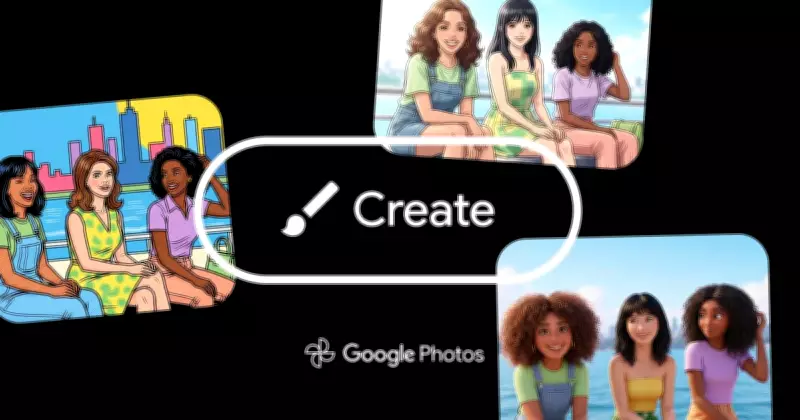
Google Photos is currently developing an innovative artificial intelligence feature that could fundamentally transform how users interact with their digital photo collections. According to discussions on Google's official support forum, the company is testing an AI-powered tool that enables users to generate short videos from their existing photos through simple text prompts.
How the AI Video Creation Feature Functions
Based on user reports from the support thread, this new functionality allows individuals to select photos from their Google Photos library and use text descriptions to automatically create video content. Rather than requiring manual editing skills or third-party applications, the system utilizes advanced artificial intelligence to handle the creative process.
In practical terms, users can choose multiple photos from their collection, type a brief prompt or description, and the application will autonomously generate a video based on those instructions. The AI technology determines how images transition, their duration on screen, and the overall flow of the final video presentation.

This approach is specifically designed to eliminate technical barriers. Many users accumulate thousands of photographs but rarely convert them into albums or videos due to the time-consuming nature of traditional editing. An integrated AI video generator within Google Photos significantly reduces this friction and encourages more creative utilization of stored visual memories.
Strategic Implications for Google Photos
This development aligns with Google's broader artificial intelligence strategy. Over the past year, the company has consistently integrated AI-powered editing tools, automatic enhancements, and intelligent suggestions across its product ecosystem. Introducing text-based video creation within Google Photos represents a natural progression rather than a surprising innovation.
Google Photos already serves over one billion users worldwide, functioning as a digital memory bank for family events, travel experiences, work documentation, and everyday moments. The addition of AI-generated video creation signals a strategic shift toward transforming static memories into dynamic content without requiring specialized editing expertise.
Industry Context and Competitive Landscape
The movement toward AI-generated content is occurring within a broader technological context. Platforms including Instagram, TikTok, and YouTube Shorts have fundamentally altered how people share memories, with short videos increasingly capturing more attention than still images, even when derived from older photographs.
Google Photos possesses an enormous archive of personal images. By incorporating AI video tools, Google enhances the utility and social compatibility of this archive. Birthday celebrations, holiday photographs, or historical family images can now be converted into shareable video content within minutes.
Competitive considerations also play a significant role. Technology companies like Apple and Meta are developing AI tools focused on creative applications rather than purely productivity enhancements. Google Photos implementing AI video generation maintains the platform's relevance within this technological race.
User Accessibility and Future Implications
Importantly, Google appears to be positioning this feature for everyday users rather than professional creators. The language emerging from support discussions emphasizes simplicity and accessibility, requiring no video editing knowledge, design skills, or additional software.
This approach reflects Google's long-term philosophy of concealing complex technology behind intuitive interfaces while allowing artificial intelligence to perform sophisticated tasks seamlessly in the background.
Although the feature remains in limited testing without a confirmed public rollout schedule, its existence indicates how Google Photos might evolve. The application is transitioning from a passive storage solution into an active creative platform, suggesting that photographs may no longer remain dormant in cloud storage.

AI-generated videos could become integrated into daily sharing practices, from family group conversations to social media publications. This functionality also adds renewed value to older images that users might have previously overlooked or forgotten.
Several questions remain unanswered regarding video duration limitations, potential costs, and exact availability timelines. As with numerous AI tools, access will likely expand gradually. What remains evident is the directional shift: Google Photos is no longer exclusively about preserving memories but about reshaping them into innovative formats through artificial intelligence, without demanding that users master complicated technical tools.
As testing progresses, additional details will undoubtedly emerge. For now, the support thread provides an early preview of how Google intends to integrate AI creativity into one of its most extensively utilized applications, potentially changing how billions of users worldwide engage with their photographic histories.