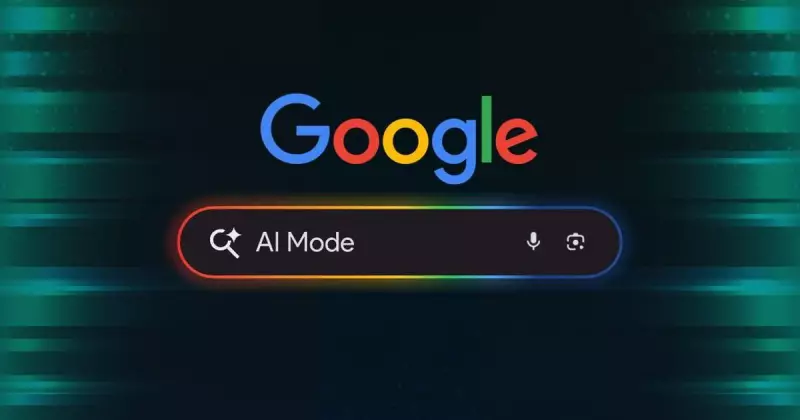
Google Search Enhances User Experience with AI-Driven Follow-Up Questions
Google has unveiled a significant update to its search engine, enabling users to ask follow-up questions directly from AI Overviews. This new feature, powered by the advanced Gemini 3 artificial intelligence model, transforms the traditional search process into a more interactive and conversational experience.
How the New Feature Works in Google Search
When you enter a query into Google Search and receive an AI Overview—a concise summary generated by AI at the top of results—you will now see an option to ask additional questions right below that summary. This allows for a seamless dialogue without the need to type new queries repeatedly. The system retains the context of your initial question, so you can explore topics step by step. For instance, after asking "How to grow tomatoes at home," you could immediately follow up with "What type of soil is best for tomatoes?" directly from the same interface.
This innovation is currently rolling out on mobile devices, where AI Overviews are already prevalent. It aims to reduce the time users spend opening multiple browser tabs and switching between sources, offering deeper insights in a continuous flow. Traditional web links remain available below the AI answers, ensuring users can still access original content for verification or more detailed information.

The Role of Gemini 3 in Powering Conversational Search
At the core of this update is Gemini 3, Google's latest large language model designed to deliver richer and more accurate AI responses. Replacing earlier models, Gemini 3 enhances the context and understanding of user intent, making AI Overviews more reliable and helpful. This shift reflects Google's broader strategy to keep pace with evolving user expectations, as people increasingly seek direct answers and conversational interactions online.
The introduction of follow-up questions in Google Search also addresses rising competition from standalone AI tools like ChatGPT and Perplexity, which have popularized conversational search experiences. By integrating similar capabilities into its core product, Google aims to maintain its leadership in the search engine market and adapt to trends where users prefer fluid, natural dialogues over static keyword-based queries.
Potential Impacts on Search Behavior and Online Information Access
This development could fundamentally change how people research topics, making the process faster and less fragmented. Users, especially those conducting in-depth research, may benefit from a more intuitive and efficient search experience. However, it raises important considerations about accuracy and reliance on AI-generated summaries. While Gemini 3 strives for precision, AI responses can sometimes be incomplete or lack nuances found in detailed articles, highlighting the need for users to balance AI insights with traditional source verification.
Additionally, the evolution towards AI-powered conversational search might reshape traffic patterns for websites and publishers. If users obtain more answers directly from Google Search through AI Overviews, clicks to external sites could potentially decrease. Google emphasizes that clear links and the ability to delve deeper into sources help preserve the relevance of original content, but this shift underscores the ongoing transformation of search engines into interactive discovery tools.
Looking ahead, Google Search is poised to become less of a static results list and more of an AI-enhanced assistant, blurring the lines between search engines and conversational AI platforms. As adoption of follow-up questions grows, it may lead to broader changes in how information is consumed and accessed online, marking a significant step in the digital search landscape.