In a significant move that has drawn attention to digital rights and LGBTQ+ issues in China, Apple has removed two prominent gay dating applications from its App Store in the country. The tech giant took this action after receiving direct instructions from China's internet regulatory body.
Government Order Forces App Removal
The Cyberspace Administration of China issued an order requiring Apple to remove Blued and Finka, which currently stand as the most widely used dating platforms for LGBTQ+ individuals in China. Apple confirmed the removal, stating the apps were taken down specifically from the China storefront while remaining available in other countries.
In their official statement, Apple emphasized: "We follow the laws in the countries where we operate. Based on an order from the Cyberspace Administration of China, we have removed these two apps from the China storefront only."
Another Blow to China's LGBTQ+ Community
This development represents another significant setback for China's LGBTQ+ population, which already operates within considerable restrictions and enjoys limited legal protections. While homosexuality was decriminalized in China back in 1997, same-sex marriage remains illegal, and media content featuring LGBTQ+ themes faces heavy censorship.
This is not the first instance where dating apps serving the community have been targeted. Grindr was removed from China's App Store in 2022, indicating a pattern of restricting platforms that cater to LGBTQ+ users. However, users who had previously downloaded Blued and Finka report that the applications continue to function on their devices for the time being.
Contrast With Apple's Global Stance
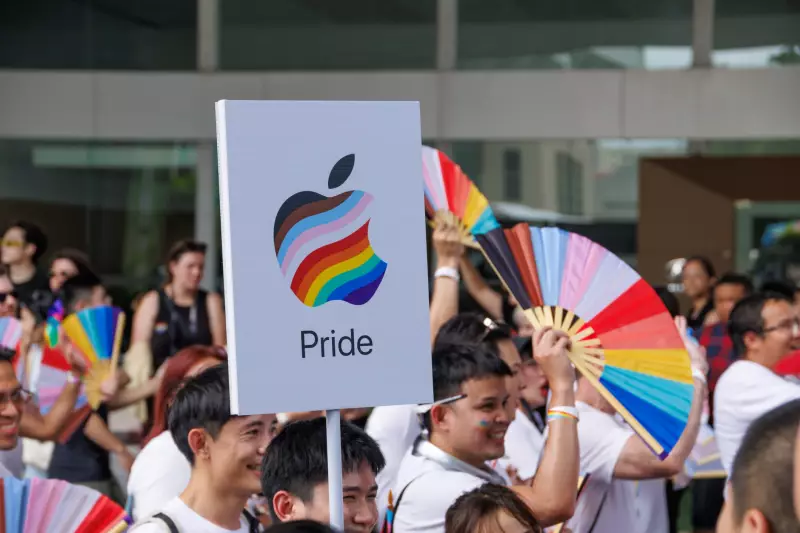
The removal creates a noticeable contrast with Apple's international positioning as a supporter of LGBTQ+ rights. Apple CEO Tim Cook publicly came out as gay in 2014 and has frequently spoken about equality and inclusion. The company reinforces this image through annual Pride-themed product releases and donations to advocacy organizations worldwide.
This situation highlights the challenging balance multinational corporations must strike between their global values and complying with local government regulations in crucial markets like China. The incident demonstrates how technology platforms become arenas where international corporate policies intersect with national internet governance approaches.