
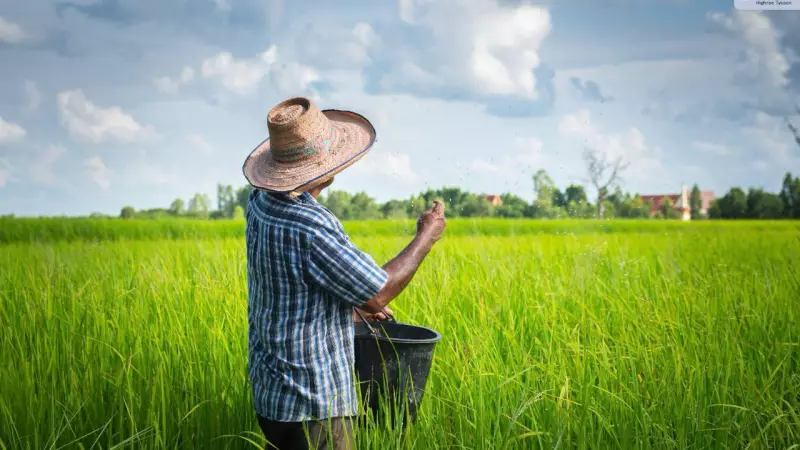
The World Meteorological Organisation (WMO) has issued a stark warning that 2025 is on track to become Nigeria's second-hottest year ever recorded. This projection, detailed in the WMO's State of the Global Climate Update 2025, moves the climate crisis from a distant threat to a present and urgent reality for the nation.
From Global Warning to Local Reality
The WMO report reveals that the period from 2015 to 2025 will be the warmest 11-year stretch in the last 176 years of global records. For the first eight months of 2025, average temperatures were 1.42°C above pre-industrial levels, fueled by unprecedented concentrations of greenhouse gases. The consequences are global: melting ice, rising seas, and extreme weather. For Nigerians, these trends manifest as severe droughts in the North, devastating floods in the South, and coastal erosion, collectively eroding livelihoods and displacing communities.
At the COP30 climate summit in Brazil, where Vice President Kashim Shettima represented President Bola Tinubu, the theme "Climate Action and Implementation" highlighted a critical shift. The era of promises is over; the world, and Nigeria specifically, now demands execution and measurable results.
Agriculture and Economy Under Siege
The Nigerian economy, heavily reliant on an agriculture sector that employs over 35% of the population and contributes a quarter of GDP, is acutely vulnerable. Rising heat and unpredictable rainfall are shortening growing seasons and disrupting farming cycles. Yields for staple crops like maize, rice, sorghum, and cassava are declining across several regions.
In the North and Middle Belt, prolonged dry spells and desertification are consuming arable land. Southern farmers battle floods and saltwater intrusion that ruin fields and freshwater sources. Livestock are suffering from heat stress, reducing productivity, while water scarcity drives herders south, intensifying deadly conflicts with farmers. Pests and diseases are also spreading more easily in the warmer climate.
The Food and Agriculture Organisation (FAO) projects that without large-scale intervention, Nigeria could see a 10 to 15 per cent drop in agricultural productivity by 2026. This would worsen the existing acute food insecurity, which already affects over 26 million Nigerians according to FAO and World Food Programme estimates. Food prices have soared by over 35% in 2025, crushing household budgets in a country where more than 63% live in multidimensional poverty.
The economic toll extends far beyond farms. Extreme heat lowers worker productivity, strains the energy grid with increased cooling demand, and damages infrastructure through floods. The World Bank estimates that unchecked climate impacts could slash 6% from Nigeria's GDP by 2030, costing millions of jobs and deepening inequality.
The Path Forward: From Pledges to Action
Despite a solid policy framework like the National Climate Change Act (2021) and the National Climate Change Council, implementation has been slow and underfunded. Coordination between government tiers is weak, and climate goals are not consistently integrated into national planning.
Critical gaps remain:
- Less than 7% of farmland is irrigated, leaving farmers at the mercy of the rains.
- Research into climate-resilient crops is underfunded.
- Early warning systems from agencies like NiMet often fail to reach rural communities.
- The National Emergency Management Agency (NEMA) remains reactive due to funding constraints.
However, there are sparks of hope. The Federal Ministry of Youth Development's support for young climate innovators in renewable energy, tech, and agriculture is a positive step. These local solutions can be the backbone of a national green transition with proper funding and policy support.
Nigeria must urgently shift from reacting to disasters to proactive planning. This requires:
- Massively expanding climate-smart agriculture, including irrigation, resilient seeds, and better extension services.
- Scaling up renewable energy to ease grid pressure and cut emissions.
- Strengthening disaster preparedness and investing in flood control and coastal protection infrastructure.
The WMO's projection is a direct call to action. The cost of inaction—reversed development, deeper hunger, and economic ruin—will far exceed the investment required today to build a resilient Nigeria.




