The Economic Community of West African States (ECOWAS) has formally endorsed the Nigeria-Morocco Gas Pipeline (NMGP) project, a massive energy corridor spanning approximately 6,000 kilometres that will transport Nigerian natural gas through West Africa to Morocco and onward to European markets. The endorsement came during the 69th Ordinary Session of the ECOWAS Authority of Heads of State and Government held in Freetown, Sierra Leone, where regional leaders emphasised the project's role in strengthening energy cooperation and regional integration.
Pipeline Route and Beneficiary Countries
The pipeline is expected to pass through 13 African countries along the Atlantic coast: Nigeria, Benin, Togo, Ghana, Côte d'Ivoire, Liberia, Sierra Leone, Guinea, Guinea-Bissau, The Gambia, Senegal, Mauritania and Morocco. These nations stand to gain access to Nigerian natural gas, which can support electricity generation, industrial development and energy security. For countries such as Benin, Togo and Ghana, the project provides an alternative source of natural gas for power generation and industrial use. Other participating nations could benefit through improved energy access, infrastructure development, employment opportunities and economic activities linked to the pipeline.
Project Cost and Current Status
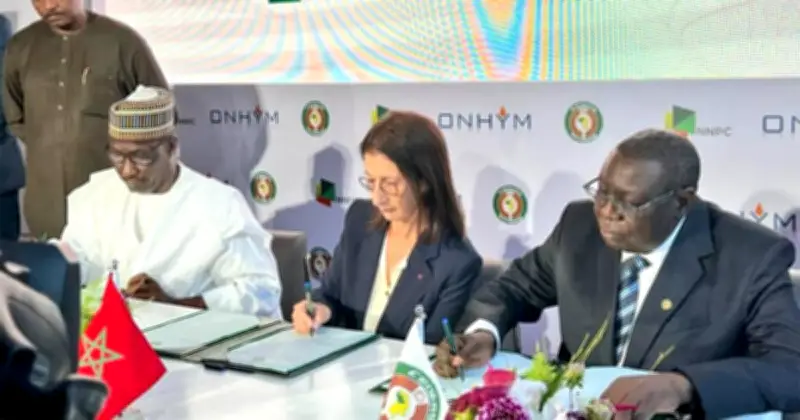
First conceived through a bilateral agreement between Nigeria and Morocco in 2016, the NMGP has since received support from regional and international partners. Feasibility studies and technical assessments have been conducted to determine its viability. The estimated cost of the project ranges between $25 billion and $27 billion, but construction has not yet commenced. The project still requires final investment decisions, financing arrangements and the completion of technical and regulatory processes before full implementation can begin.
Strategic Importance for Nigeria and Africa
Nigeria, which holds one of the world's largest natural gas reserves, is expected to gain a new export route for its gas resources while strengthening its position as a major energy supplier in Africa. The pipeline will carry Nigerian gas northwards after passing through coastal West African nations, with Morocco serving as the gateway for potential exports to Europe. The NMGP is part of broader efforts by African countries to harness the continent's natural resources to improve energy access while forging stronger links between African economies and global markets.