
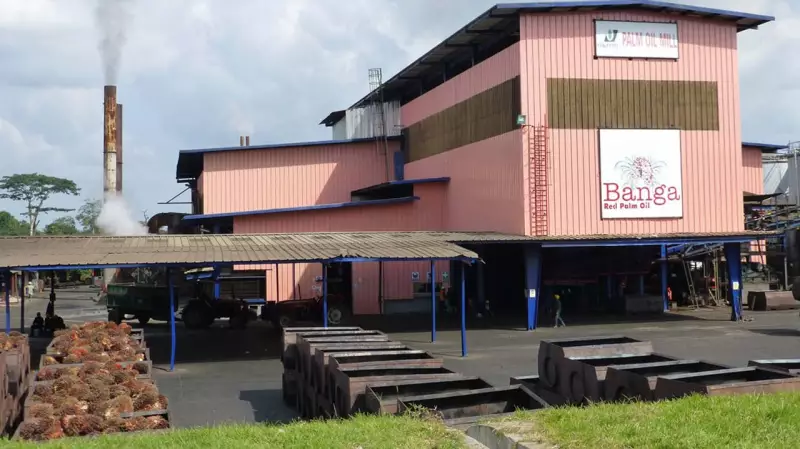
Edo State faces a critical juncture that could define its economic future, as a controversial move by the state government threatens to undermine years of agricultural investment and growth. The alleged revocation of a major oil palm company's land title has sent shockwaves through the investment community, raising fears of political interference destabilizing a key sector.
The Backbone of Edo's Agricultural Economy
Strategically located within Nigeria's fertile oil palm belt, Edo State possesses the natural resources to be an agricultural leader. Over the past decade, sustained investment, particularly in oil palm, has driven remarkable sectoral growth. Today, this subsector contributes an estimated 15–20% of the state’s total agricultural output, positioning Edo among the nation's top producers.
Major players like Presco Plc and Okomu Oil Palm Company are central to this success. Together, they manage over 60,000 hectares of land, provide direct employment to more than 15,000 people, and have invested tens of billions of naira into the local economy. Their footprint extends beyond farming, encompassing extensive community infrastructure such as rural roads, schools, and health services. These investments support over 40,000 indirect livelihoods across local value chains, significantly boosting rural development and the state's internally generated revenue.
A Controversial Move That Shakes Confidence
The state's promising trajectory is now under a cloud due to reports of the Edo State government revoking the Certificate of Occupancy (C of O) of Presco Plc. This action, published in the Vanguard and Nigerian Observer newspapers on Wednesday, November 26, 2025, is seen by analysts as a clear abuse of power that contradicts federal assurances on investment protection.
While Presco's share price showed relative resilience with only a marginal 3% decline to around N1,450 per share, the incident has amplified deep-seated concerns about political and land-tenure risks in the state. Presco, a company now valued at roughly N1 trillion and a pillar of the agriculture sector on the Nigerian Exchange alongside Okomu and Ellah Lakes, represents a massive store of value. Abrupt, politicized actions around land—even if later disowned—risk depressing valuations, increasing the risk premium for Edo-based agribusiness, and chilling new capital investment across the sector.
Broader Implications for Growth and Stability
This development appears at odds with the federal government's Renewed Hope Agenda, which prioritizes economic development and agricultural investment. It also comes when Nigeria can ill afford to discourage responsible investment, given challenges in security, infrastructure, and social welfare.
The controversy also highlights the complex issue of land management. Government-owned lands have historically faced encroachment and unauthorized sales by some communities, creating confusion that deters investors. The solution, analysts argue, lies not in fueling crises but in enforcing clear land policies and supporting legitimate investments.
Edo State is home to some of Nigeria's most reputable agricultural investors, the very type other states struggle to attract. In an era of cautious global capital, the state must prioritize stability over politics. The governor has a responsibility to safeguard these investments, protect the integrity of government allocations, and prevent actions that could tarnish the state's hard-earned economic reputation. The path chosen now will determine whether Edo solidifies its status as an agro-industrial hub or watches its growth potential slip away.
Roy Imafidon, a public affairs analyst, wrote from Benin City, Edo State.




