
The Food and Agriculture Organisation (FAO) and the World Food Programme (WFP) have identified five countries as the world's most critical hunger hotspots, where overlapping crises have pushed millions of people to the edge of survival. The joint FAO-WFP Hunger Hotspots report flags Sudan, Gaza and the West Bank, South Sudan, Haiti, and Mali as the locations of greatest concern, citing conflict, displacement, climate disasters, and economic breakdown as the key drivers behind each crisis.
Sudan: One of the Worst Food Emergencies
According to Al Jazeera, Sudan is experiencing one of the worst food emergencies on the planet. Since fighting broke out in 2023, millions of people have been forced from their homes, cut off from farmland, and unable to access markets or humanitarian assistance. Extreme heat, flooding, and a collapsing economy have reduced food supplies further. According to the Integrated Food Security Phase Classification (IPC), around 21.2 million people — roughly half the population — are experiencing high levels of acute food insecurity at IPC Phase 3 or above. Famine has been confirmed in El Fasher and Kadugli, with 20 additional areas at severe risk. The United Nations has warned that the breakdown of essential services is pushing the country deeper into catastrophe.
Gaza: Famine Confirmed in August 2025
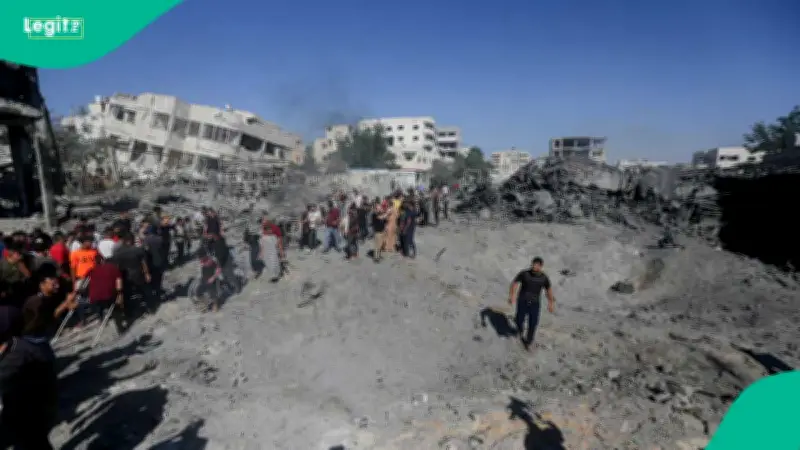
In Gaza, famine was confirmed on August 15, 2025. The IPC reports that over 500,000 people are facing starvation, with nearly the entire population experiencing severe food insecurity. Ongoing conflict, mass displacement, and restrictions on humanitarian aid have left families without reliable food or clean water. Child malnutrition has reached alarming levels, and the destruction of critical infrastructure has made recovery increasingly difficult.
South Sudan, Haiti, and Mali at Breaking Point
South Sudan remains locked in a prolonged food emergency. More than half the population is food insecure, with approximately 7.7 million people classified at IPC Phase 3 or worse. Recurring flooding, continued conflict, and an influx of refugees from Sudan have stretched an already fragile system close to collapse. Some areas face imminent famine if conditions do not improve.
In Haiti, gang violence is disrupting supply chains, blocking market access, and displacing thousands of families. Economic instability and heavy reliance on imported food have made basic staples unaffordable for many households. The IPC has classified more than 8,400 people living in displacement camps at IPC Phase 5, the most severe category, and roughly half the country is in crisis or worse.
Mali is grappling with armed conflict in its north and centre, alongside drought, poor sanitation, and the collapse of nutrition services. According to WFP, fighting has restricted both farming activity and humanitarian access, driving a sharp rise in malnutrition among children under five. About 1.5 million people face crisis-level food insecurity or worse, with some communities at risk of famine-like conditions.




