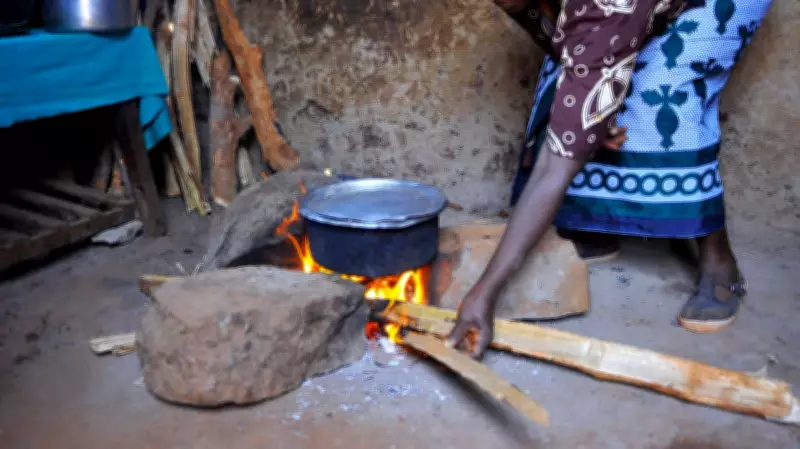
Greenplinth Africa has officially launched its 80 Million Clean Cookstoves Project, a major initiative aimed at improving the lives of Nigerians affected by the adverse effects of traditional cooking methods. The project was unveiled during a roadmap presentation, manufacturing agreement signing, and strategic partner announcement held in Lagos.
Project Overview and Agenda 2030
Olawale Akinwumi, President and Group Chief Executive Officer of Greenplinth Africa, described the project as the company's Agenda 2030. He stated, "Today, we will be signing a manufacturing agreement with Allgreen Energy NV for the first 24 million clean cookstoves. We are also pleased to announce that Allgreen Energy NV and its partners will be supporting the 80 Million Clean Cookstoves Project in Nigeria with an investment of $10 billion within the next 18 months."
Impact on Women and Children
Akinwumi emphasized that providing free clean cookstoves and free briquettes as fuel will transform the lives of millions of Nigerians, especially women and children, who suffer disproportionately from the harmful effects of traditional cooking practices. He added, "The 80 Million Clean Cookstoves Project is our Agenda 2030, starting today. We call on this distinguished audience to see this Agenda 2030 as our collective mission. We believe passionately that when the success story of clean cooking access in Africa comes into play, your names will be inked and boldly written in gold."
Government Support and Health Benefits
Titilayo Oshodi, Special Adviser to the Lagos State Governor on Climate Change, noted that 950 million Africans lack access to clean cooking, with over 180 million Nigerians affected. She highlighted that reliance on traditional cooking is not only inefficient but also contributes to indoor air pollution, deforestation, greenhouse gas emissions, and lost productive time for households. Oshodi remarked, "Clean cooking adoption is not just a technical rollout; it is a social diffusion process. When communities see real, tangible improvements in health, cost, and convenience, adoption becomes organic."
The initiative is expected to significantly reduce health risks and environmental damage, positioning clean cooking as a sustainable solution for Nigeria's future.