
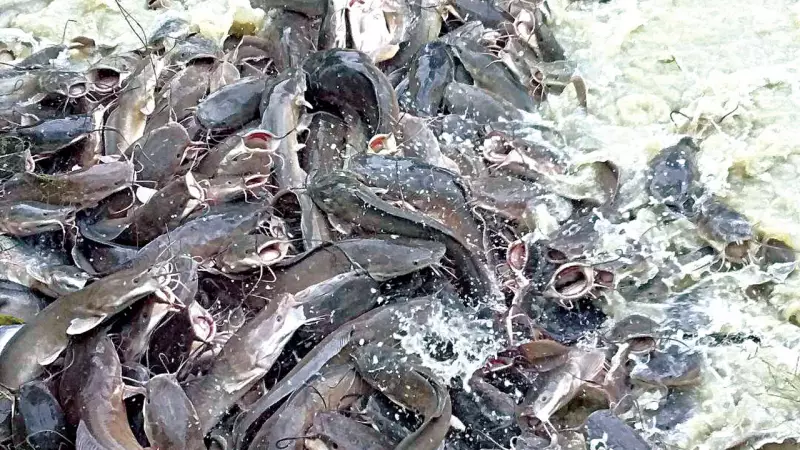
The Mountain of Fire and Miracles Ministries (MFM) has taken a significant step towards boosting financial independence among its congregation. Through its welfare ministry, the church has successfully trained and equipped another batch of members with vital skills in modern aquaculture.
Empowerment Through Practical Skills
On 18 December 2025, the humanitarian arm of the church, operating from its International Headquarters in Onike, Lagos, concluded the second phase of its empowerment initiative. The program saw 25 members receive comprehensive training in contemporary fish farming methods. This initiative is a core part of the church's broader mission to ensure its members achieve financial stability and self-sufficiency.
Beyond the spiritual teachings and prayers for which MFM is widely known, this program underscores a commitment to practical entrepreneurship. The goal is clear: to help individuals sustain their families and build resilient livelihoods.
From Theory to Market: A Complete Training Package
The training was meticulously designed to be hands-on and comprehensive. Participants were not just given theoretical knowledge; they were guided through the entire cycle of modern fish farming. The curriculum covered everything from the initial stages of rearing fish to the final point of sales, ensuring trainees are ready to run a business.
In a crucial move to jumpstart their ventures, the church did not stop at training. Each of the 25 empowered individuals received essential fish farming materials. This direct support bridges the gap between learning and doing, significantly increasing their chances of success.
A Blueprint for Self-Reliance
This project by MFM's welfare ministry highlights a growing trend where religious organizations actively contribute to economic empowerment. By investing in aquaculture training, the church is addressing unemployment and fostering a spirit of entrepreneurship among its members.
The focus on financial independence and practical skill development marks a holistic approach to member welfare. It demonstrates how institutions can play a pivotal role in creating sustainable livelihoods, complementing their spiritual work with tangible community support.




