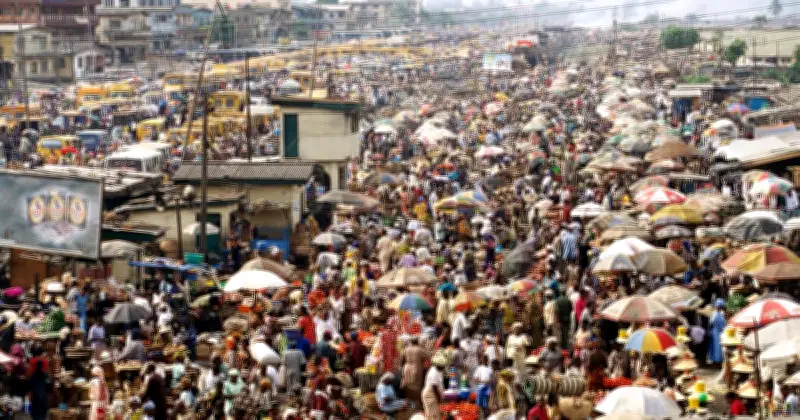
Nigeria remains Africa's most populous country in 2026, with an estimated 242.4 million people, according to the latest Worldometer projections. The figure places Nigeria comfortably ahead of Ethiopia (138.9 million) and Egypt (120.1 million), which rank second and third respectively on the continent.
Nigeria's population growth and demographics
Nigeria added approximately 4.9 million people within the last year alone, cementing its position as Africa's demographic giant. The country's last official census was conducted in 2006, when the population stood at 140.4 million. The World Bank estimated Nigeria's population growth rate at 2.1 per cent in 2025, fueling steady demographic expansion.
Nigeria also has one of the youngest populations in the world, with a median age of just 18 years. The fertility rate currently stands at 4.2 children per woman, factors that continue to drive population growth, labour force expansion and consumer demand.
Top 10 most populous African countries in 2026
According to Worldometer, here are Africa's 10 most populous countries in 2026:
- Nigeria — 242.4 million
- Ethiopia — 138.9 million
- Egypt — 120.1 million
- Democratic Republic of Congo — 116.5 million
- Tanzania — 72.6 million
- South Africa — 65.5 million
- Kenya — 58.6 million
- Sudan — 53.3 million
- Uganda — 52.8 million
- Algeria — 48 million
Fastest-growing populations
The Democratic Republic of Congo recorded one of the fastest population growth rates among the top 10 countries at 3.21 per cent, while Sudan followed closely with 3.14 per cent. Tanzania also maintained strong growth at 2.86 per cent. Nations across Central and East Africa are leading the surge toward a projected continental population of over 2.5 billion by 2050.
Opportunities and challenges
Experts have consistently noted that Africa's growing population presents both opportunities and challenges. A larger youthful population can strengthen the workforce, attract investments and expand consumer markets, but it also puts pressure on governments to provide jobs, education, healthcare, housing and infrastructure.
For Nigeria, the numbers mean the country is likely to remain a major force in Africa's economy for years to come. However, many Nigerians argue that the real challenge isn't just population growth, but ensuring that economic growth and public services keep pace with the rising number of people.