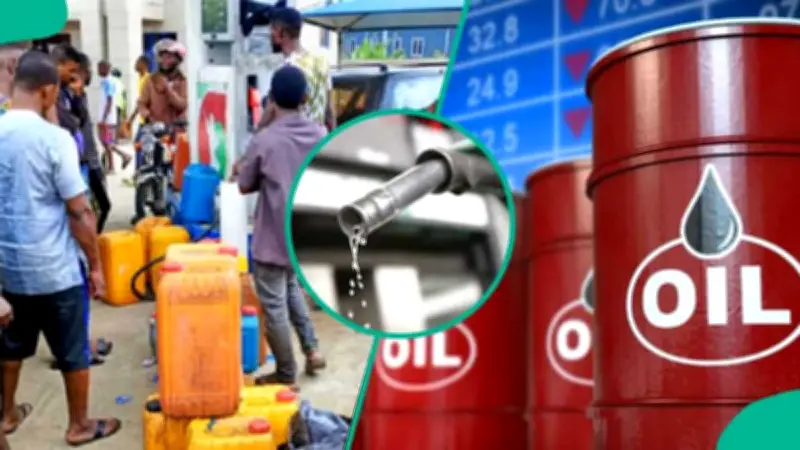
Motorists and businesses in Nigeria could soon benefit from lower fuel costs as global crude oil prices continue to decline. Brent crude, the international benchmark for oil prices, fell to around $85 per barrel on Friday, June 12, 2026, its lowest level in three months, raising expectations that petrol prices may also begin to drop in the coming weeks, according to The Telegraph.
Decline Amid Geopolitical Optimism
The latest decline comes amid growing optimism that tensions between the United States and Iran could ease following signs of progress toward a possible agreement. Oil prices have remained below the $100-per-barrel mark for more than two weeks after surging to about $120 in April when geopolitical tensions intensified.
Improved Fuel Supply Pushes Prices Lower
Energy experts say the drop in crude prices is not solely linked to diplomatic developments. Increased fuel production by U.S. refineries has also helped boost global supplies of petrol, diesel and aviation fuel, putting downward pressure on prices.
According to Bridget Payne, an energy analyst at Oxford Economics, consumers may not see immediate reductions at filling stations, but lower pump prices are likely to emerge within the next month as the effects of cheaper crude gradually filter through the market.
At the same time, investors are betting that weaker demand from China will continue to weigh on oil prices. Since the start of the crisis, China has relied more heavily on its strategic oil reserves, reducing imports by an estimated four million barrels per day.
Nigeria Could See Relief at the Pumps
For Nigeria, where fuel prices are increasingly tied to international crude markets following the removal of petrol subsidy, a sustained drop in oil prices could translate into cheaper petrol. A decline in landing costs for imported fuel and reduced pressure on local refiners could help lower pump prices, offering some relief to households and businesses struggling with high transportation and energy costs. However, industry analysts caution that changes in retail fuel prices may take time to reflect movements in the global oil market.
In Nigeria, a prolonged decline in global oil prices could provide much-needed relief at the pumps and help reduce transportation expenses, though the impact may take several weeks to fully materialize.
Strait of Hormuz Situation Improves
Another factor supporting lower oil prices is the gradual restoration of crude exports through the Strait of Hormuz, a critical global shipping route. Reports indicate that more oil tankers are successfully moving through the region, with some vessels using alternative protected routes to transport fuel from the Gulf. Analysts estimate that this has helped restore a portion of disrupted oil flows, easing concerns about supply shortages.
Should the Strait of Hormuz fully reopen and remain stable, analysts believe oil prices could fall further, although they may not return to the levels seen before the conflict began.
US-Iran-Israel War Affects Nigeria
Meanwhile, Legit.ng earlier reported that the escalating tensions in the Middle East are sending concerns through Nigeria's economy, with fuel prices alleged to skyrocket. Economist Paul Alaje warns that the conflict could push petrol prices to higher levels, spelling trouble for households and businesses alike. Nigerians who listened to the economist speaking during a recent interview had different things to say in the comments section.