Major Trade Breakthrough for Ghana's Agricultural Sector
The United States government has officially eliminated the 15 percent tariff previously imposed on Ghana's cocoa and various agricultural exports, marking a significant development in bilateral trade relations between the two nations. Ghana's Foreign Affairs Minister, Samuel Okudzeto Ablakwa, confirmed this positive development through an official announcement made on Monday.
Timeline and Details of Tariff Removal
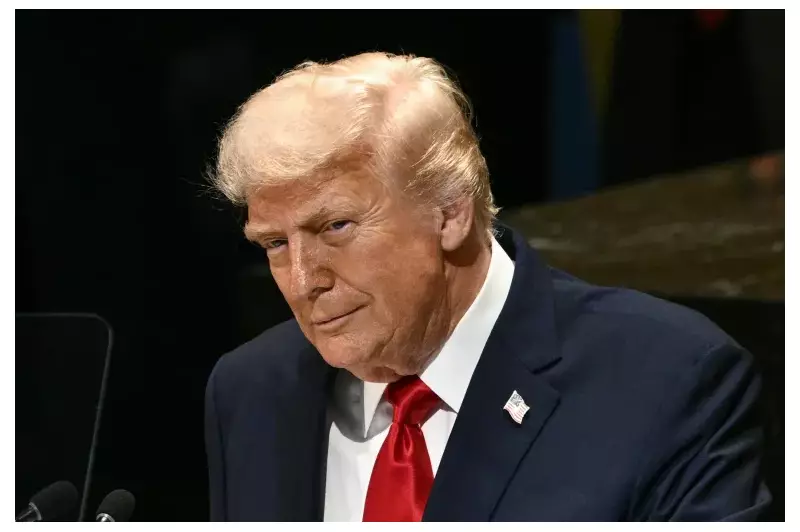
The tariff reversal officially took effect on November 13, 2025, following a new executive order signed by US President Donald Trump. This policy change completely rescinds the Trump-era tariff that had substantially increased costs for Ghanaian agricultural products entering the American market.
Minister Ablakwa disclosed that he received direct confirmation from American diplomats regarding the policy shift. The removal of tariffs covers not only cocoa but extends to several other Ghanaian agricultural commodities including cashew nuts, avocados, bananas, mangoes, plantain, pineapples, coconuts, ginger, and peppers.
Economic Impact and Revenue Projections
This development carries substantial economic significance for Ghana, which exports approximately 78,000 metric tons of cocoa beans to the United States each year. With current spot prices standing at $5,300 per metric ton, the tariff removal is projected to generate an additional $60 million in annual revenue for Ghana's agricultural sector.
Ghana, recognized as the world's second-largest cocoa producer, depends heavily on export revenues to stabilize its currency and fund public expenditure. The improved market access to the United States, which remains the global leader in chocolate and cocoa product imports, represents a considerable boost for Ghana's agricultural economy.
Broader Diplomatic Context
This trade breakthrough occurs during a delicate period in Ghana-US relations, characterized by recent diplomatic developments. Accra's acceptance of dozens of deportees from the United States – exclusively West Africans – on humanitarian grounds, despite facing domestic criticism, appears to have contributed to the improved bilateral atmosphere.
Washington has concurrently reversed its visa restrictions on Ghanaian travelers following months of constructive dialogue between the two nations. Economic analysts view the tariff elimination as a significant diplomatic achievement after years of tension concerning deportation policies and documentation compliance matters.
Accra-based economist Daniel Amateye Anim-Prempeh of the Policy Initiative for Economic Development (PIED) characterized the development as "a win-win situation for both countries". He emphasized that "the cocoa sector, the backbone of Ghana's agricultural economy, stands to gain the most from improved access to the US market."
This policy shift contrasts with the US approach toward other African nations, including Nigeria, which faced 15 percent import tariffs under a fresh executive order issued by President Trump in August. Ghana's successful negotiation demonstrates the country's growing diplomatic leverage in international trade discussions.