
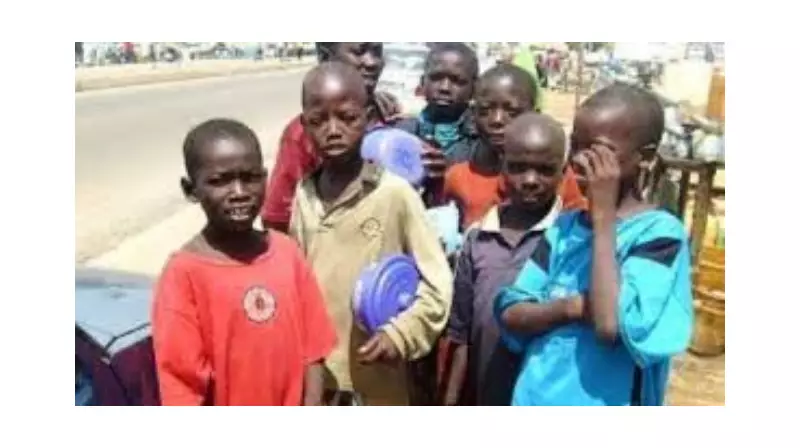
The Emir of Jajjere in Yobe State, His Royal Highness Hamza Ibn Buba Mashio, has proposed a dual strategy to end the persistent and deadly conflicts between farmers and pastoralists in the region. He has called for the mass enrollment of out-of-school children and the adoption of early crop harvesting as critical steps toward sustainable peace.
Root of the Conflict: Land and Water
The monarch, speaking on 5 December 2025, identified the core issue driving the violence. He stated that the incessant clashes, which have claimed dozens of lives, are primarily disputes over pastures and water points along traditional cattle routes. Mashio made these remarks while addressing Fulani community leaders at Babbangida in the Tarmuwa Local Council area.
He attributed the perennial crisis to the massive encroachment of cattle routes by farmers and a breakdown of mutual respect between the two communities. The Emir, who also serves as the grand patron of the Tabital Pulaaku International (TPKI), emphasized that prosperity is impossible without harmony.
A Blueprint for Peace and Prosperity
"The unity of farmers and pastoralists is hinged on peace, education and social reforms for socio-economic prosperity in Jajere Chiefdom," declared Emir Mashio. He elaborated that for herders to thrive, communities must live in harmony and prevent conflicts by supporting government initiatives designed for lasting peace.
These initiatives are crucial for the development of local communities, including areas bordering the Niger Republic. The monarch urged both farmers and herders to engage in constructive dialogue to resolve issues surrounding grazing reserved areas and cattle routes across Yobe State.
Specific Measures and a Broader Warning
Emir Mashio outlined specific geographical flashpoints that need resolution. He expressed hope that dialogue would "permanently bring an end to the killings... over pastures and water points along the Kumadugu/Yobe River and the Chad Basin."
Beyond the immediate conflict, the traditional ruler issued a broader call to action for community leaders and parents. He urged them to guide their children and wards away from drug abuse and other criminal activities. This warning explicitly included the act of rearing cattle, sheep, and goats on active farmlands, a direct trigger for clashes.
By linking education, agricultural timing, community dialogue, and parental guidance, the Emir's address presents a multifaceted approach to tackling a complex security and social challenge in Yobe State.




