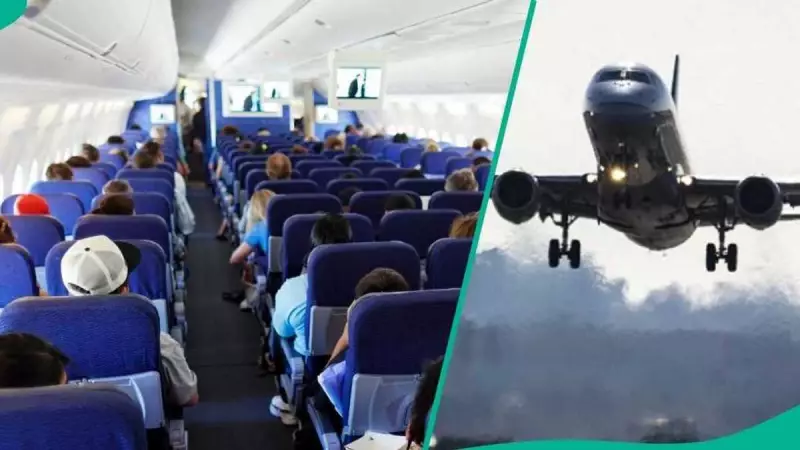
Nigerian air travellers are finally experiencing significant financial relief as a wave of state-backed airlines enters the market, aggressively driving down ticket prices on previously expensive domestic routes.
New Carriers Disrupt High-Cost Routes
The domestic aviation landscape is undergoing a major transformation. Established carriers like Air Peace and United Nigeria Airlines now face stiff competition from new entrants funded by state governments. Airlines such as Ibom Air and Cally Air, alongside new carriers launched in Enugu, Ogun, Ebonyi, and Bayelsa states, are challenging the old pricing order.
This increased competition has led to a dramatic reduction in fares, particularly on so-called secondary routes. These are connections to state capitals and smaller cities that were historically underserved and dominated by only a few operators, leading to notoriously high prices.
Significant Price Drops for Economy Travelers
The impact on passengers' wallets is substantial. Before this shift, a one-way economy ticket to destinations like Enugu, Cross River, Ogun, or Ebonyi could cost between N200,000 and N350,000, even outside of peak travel seasons. For comparison, flights from Lagos to major hubs like Abuja or Port Harcourt averaged N150,000 to N200,000.
Now, thanks to the new state airlines, fares on these secondary routes have fallen to an average of around N150,000. This represents a saving of up to N200,000 per ticket on some routes, a game-changer for both business and leisure travellers. Industry analyst Olumide Ohunayo confirmed the trend, stating, "The entry of new carriers has contributed significantly to the reduction of fares and better service on secondary routes."
Economic Boost and Regulatory Concerns
Aviation experts highlight the broader economic benefits of this development. Seyi Adewale, CEO of Mainstream Cargo Limited, noted that these state-backed airlines often subsidise fares to attract business travellers, tourists, and investors. This strategy helps boost local economies and improves connectivity by linking secondary airports to major national hubs.
However, the rapid expansion has also sparked calls for caution. Some industry observers question the long-term viability of all the new airlines. Aviation security consultant John Ojikutu warned that passenger traffic on many regional routes remains below initial projections. He emphasised the need for strong regulatory oversight from the Nigerian Civil Aviation Authority (NCAA) to ensure the sector's health and sustainability.
The expansion continues with new infrastructure coming online. For instance, the Gateway International Airport in Iperu, Ogun State, which was commissioned on August 15, 2025, recently secured its operational permit from the NCAA and is poised to begin commercial flights, further increasing capacity and options for passengers.
Ultimately, the current price war, fueled by state investment in aviation, is providing much-needed respite for Nigerian flyers. It is fostering greater competition, expanding travel options, and making air travel more accessible on routes across the country.