
CBN Issues New ATM Rules to Access, UBA, Zenith, and Other Banks, Orders Instant Failed Reversal
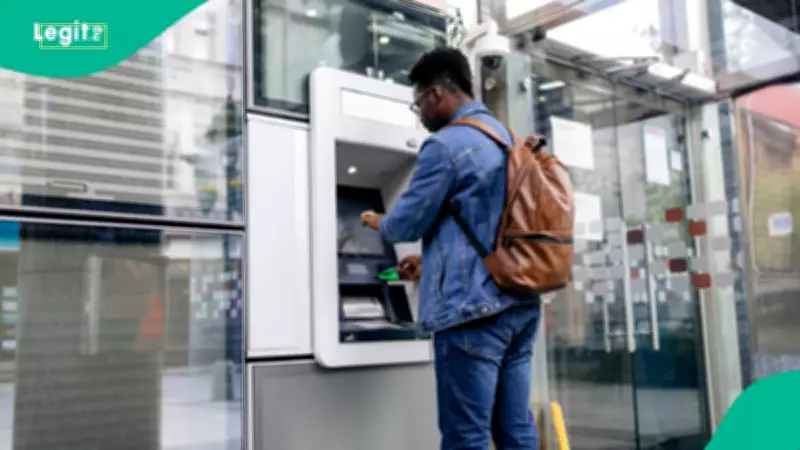
The Central Bank of Nigeria (CBN) has introduced fresh directives targeting commercial banks such as Access Bank, UBA, and Zenith Bank, mandating them to expand their automated teller machine (ATM) networks and implement faster refunds for failed transactions. This policy is part of the apex bank's revised guidelines on ATM operations, aimed at improving cash access, enhancing service reliability, and strengthening customer protection across Nigeria's banking system.
New ATM Deployment Ratio and Compliance Timeline
Under the updated framework, banks are now required to maintain a minimum of one ATM for every 7,500 payment cards issued to customers. This new ratio establishes a clear deployment benchmark designed to reduce congestion at ATM points and ensure wider availability of machines nationwide. Previously, the ratio was set at one ATM per 5,000 cards, but the revised threshold shifts focus toward structured and balanced deployment rather than merely increasing machine numbers.
To facilitate compliance, the CBN has provided a three-year timeline, with phased implementation as follows:
- 30% compliance by 2026
- 60% compliance by 2027
- 100% compliance by 2028
This phased approach allows financial institutions to plan infrastructure investments while gradually expanding their ATM networks, as stated by the regulator.
Emphasis on Proper Distribution and Domestic Processing
Beyond increasing ATM numbers, the CBN has emphasized the need for proper distribution across both urban and rural communities. Banks are expected to ensure ATMs are located within reasonable distances from one another, addressing long-standing complaints about limited cash access in underserved areas where customers often face overcrowded points or travel long distances.
Additionally, banks must obtain prior written approval from the CBN before deploying, relocating, or decommissioning ATM terminals. The guidelines also reinforce the central bank's push for domestic processing of payment transactions, requiring all ATM transactions in Nigeria to be handled by companies operating within the country. This move aims to strengthen Nigeria's payment infrastructure and reduce reliance on foreign processing networks.
Instant Reversal for Failed Transactions and Biometric Authentication
A major highlight of the new rules is the introduction of stricter timelines for resolving failed ATM transactions. For "on-us" transactions, where both the ATM and the card belong to the same bank, refunds must now be processed instantly. If automatic reversal fails due to technical challenges, banks must complete manual reversals within 24 hours. For interbank transactions involving different banks, refunds must be processed within 48 hours, aiming to reduce customer frustration caused by delayed reversals.
The framework also permits banks to deploy biometric authentication technologies at ATM terminals, provided they include strong safeguards to protect customer data, privacy, and security. The CBN warned that financial institutions failing to comply with these new operational guidelines risk facing regulatory sanctions.
This initiative follows earlier reports of the CBN simplifying processes, such as removing affidavit requirements for reactivating dormant accounts, to enhance customer convenience and fraud prevention in Nigeria's evolving banking landscape.




